As a savvy jewelry seller, you’re always looking for ways to boost your margins. From optimizing inventory turnover to starting a jewelry store business with lean overhead, every dollar counts. But have you considered ramping up your custom jewelry offerings? Selling custom jewelry often sparks questions like “where should I sell my custom jewelry?” or “how much does custom jewelry cost to produce?” Fortunately, those juicy tidbits and more await you below.
Phase 1: Building up your custom jewelry business
Before you fire up the soldering torch or open your CAD software, you need to make some core decisions about your direction. When you move into selling custom jewelry, you are selling a collaborative experience; one that involves you, the customer and your unique set of skills or focus. In a market saturated with mass-produced pieces, custom jewelry can offer customers a compelling reason to choose your store over the one down the street or a major online retailer.
Defining your niche and unique selling proposition
What makes your custom work uniquely yours? Whether it’s specializing in fancy-colored diamonds or a specific Victorian-meets-modern aesthetic, your Unique Selling Proposition is your anchor. By narrowing your focus, you can become the go-to expert for a specific look. This allows you to potentially command higher margins because you're competing on artistry and specialized skills rather than on commodity and price.
Creating a memorable brand identity
Think of your brand identity as the silent ambassador for your business. When a client wears one of your custom pieces, what are they saying to the world? A strong brand tells a story of craftsmanship and exclusivity. Ensure that each touchpoint, from your logo to your packaging, reflects the quality of the custom work you produce. This helps reinforce the idea that the customer is getting a piece of art that’s hard to find anywhere else.
Phase 2: Sourcing and jewelry creation
Successfully learning how to make custom jewelry to sell requires a delicate balance between sourcing top-quality materials and keeping an eye on the bottom line. So, how much does custom jewelry cost to produce? It varies based on your overhead, but a good rule of thumb is to calculate your total material costs and then add a labor rate that reflects your specialized expertise. Many jewelers underestimate bench time, which can quickly erode their profits.
Understanding your material costs, including hidden costs like metal scrap loss or specialized tool wear, is also important for protecting your margins. Additionally, streamlining your creation process is where you really save money. Using AI and virtual try-on tools to finalize designs before casting can save hours at the jewelry bench and can help reduce the risk of costly reworks. Since time is money in a custom shop, every efficiency you find in the design phase directly increases your take-home profit.
Phase 3: Setting up your custom jewelry showroom
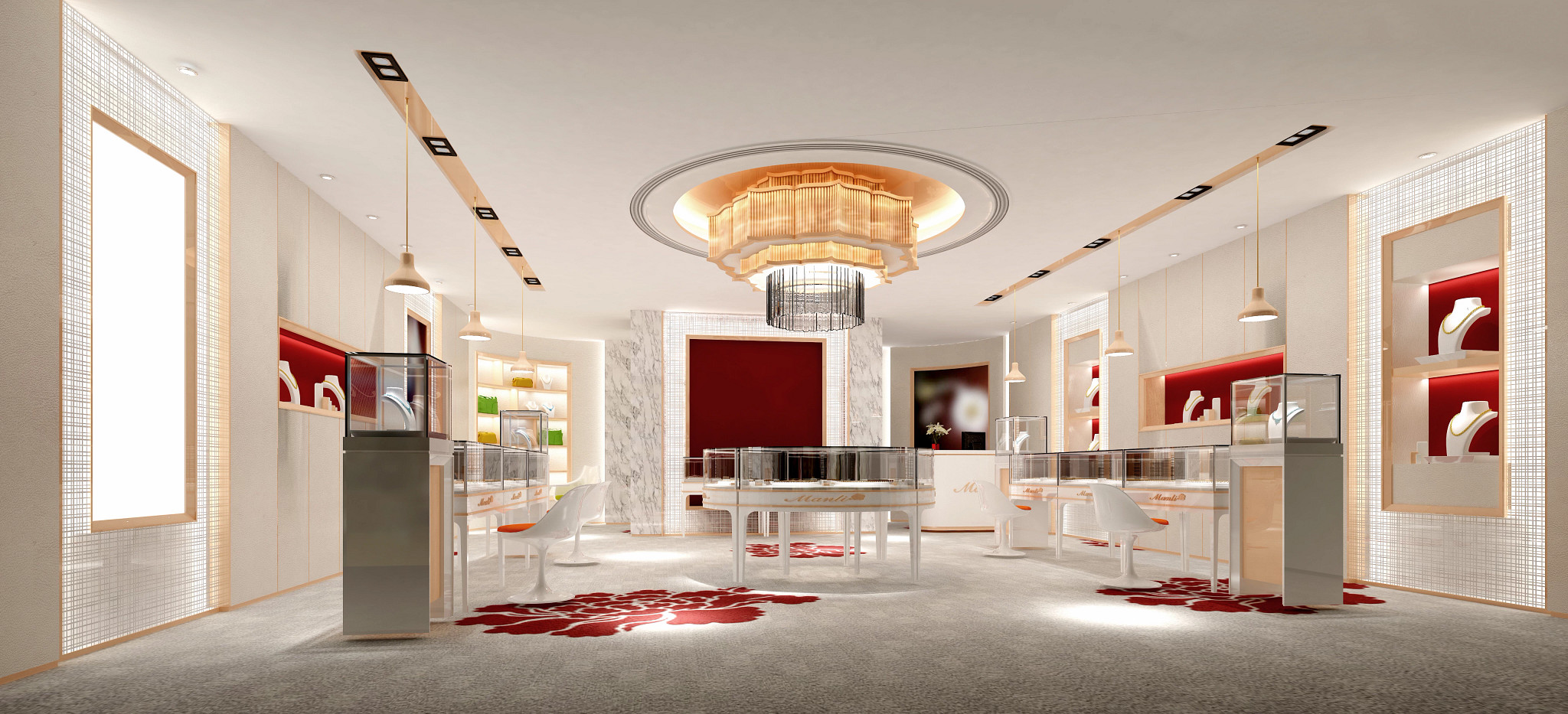
In a custom jewelry service model, your showroom serves a different purpose. Since the final product goes home with the buyer, your showroom is actually a gallery of your capabilities. Whether you operate a physical or an omnichannel jewelry store, you’ll want to display concept pieces that showcase what you can do.
In your physical store, create a dedicated Design Center. Instead of rows of identical rings, feature a display that shows the journey of a single piece: the initial hand sketch, the 3D-printed wax model, and a finished sample. This transparency can build significant trust with potential clients. Use high-quality imagery or video from past commissions as your inventory. Seeing the process can make the higher price tag of custom work feel justified to the customer, since they are also paying for your labor and expertise.
Phase 4: Navigating the consultation process
The key to selling custom jewelry successfully lies in the consultation. This is the moment you move from being a salesperson to a consultant. Start by asking open-ended questions about the client's lifestyle and budget to ensure the design is both beautiful and practical.
To protect your time and margins, always require a non-refundable design deposit before starting CAD work. This qualifies the lead and ensures you are compensated for your creative time, even if the client decides not to move forward. By treating your time as a premium asset, you set the tone for a high-margin professional relationship.
Phase 5: Marketing your custom jewelry brand
With custom work, you are marketing a service as much as a product. Leverage visual storytelling by showing before and after transformations, especially for heirloom redesigns. Seeing an old, dated brooch turned into a modern engagement ring is strong marketing that can resonate emotionally with potential clients.
For your content marketing, aim for a 70/30 ratio: 70% “Behind the Bench” content showcasing your technical skills and 30% User-Generated Content, such as proposal videos, unboxing videos or photos from happy clients. This social proof is often the final nudge a hesitant customer needs to commit to the custom jewelry journey.
Protect your jewelry business with Jewelers Mutual
As you transition to more custom work and handle higher-value client gemstones, ensuring you have the right protection is a must. At Jewelers Mutual Group, we know that no two jewelry businesses are exactly alike. Created by jewelers for jewelers, we’re the oldest and most experienced jewelry industry insurer in the U.S. Since our beginnings, our goal has always been the same: To help you run a smarter, safer, more successful business. Yes, we’re known for insurance. But that’s not all we offer. From our streamlined shipping solution to on-site security assessments and revenue-driving programs, we have products that support every facet of your business. Click the link below to learn more today!
https://www.jewelersmutual.com/business
This content is for educational purposes only and does not constitute financial, tax, or professional advice.