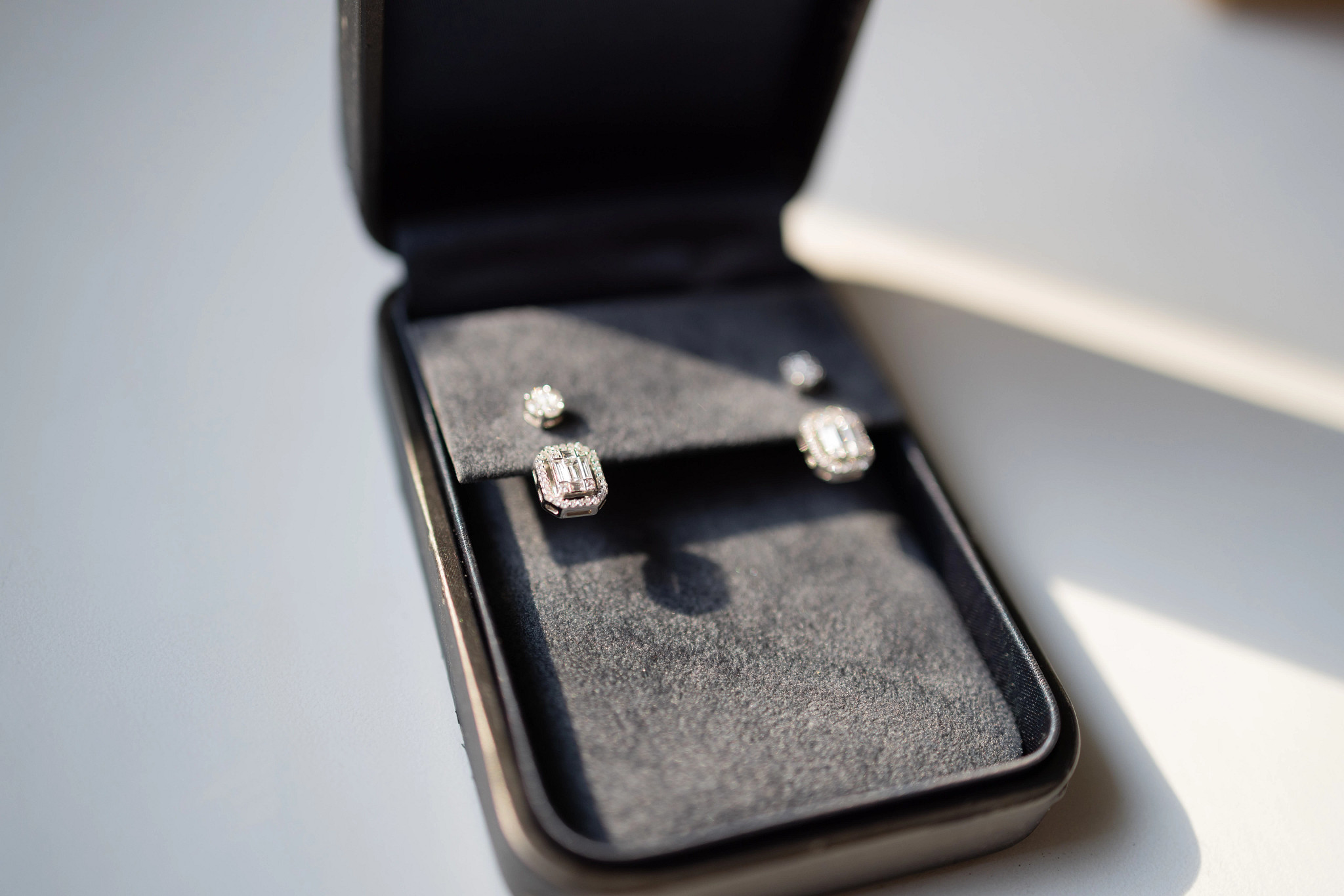
The most common reason for buying hypoallergenic jewelry is to avoid materials you may be allergic to, and the fine details are more important than most realize. From understanding which metals are safest for sensitive skin and which hidden alloys to avoid, to choosing hypoallergenic jewelry, you can make a significant difference in your daily comfort. Many people struggle with mysterious rashes, swelling or itching for years without realizing why their favorite accessories may be the culprit. Read on to learn why you should buy hypoallergenic jewelry if you have sensitive skin.
What is hypoallergenic jewelry?
Hypoallergenic jewelry is specifically designed to reduce the risk of an allergic reaction by excluding metals that are common skin irritants. Many skin reactions from jewelry result from nickel, a cheap metal often used to harden softer, precious metals, which can cause redness, swelling and discomfort for some. Genuine hypoallergenic jewelry pieces are made from biocompatible metals, such as titanium, which are naturally skin-friendly and unlikely to trigger an immune response. Choosing these materials can help keep your beautiful jewelry from becoming a source of irritation or discomfort.
Types of hypoallergenic jewelry metals
Exploring and buying jewelry can be a complicated experience when you have sensitive skin. But understanding your options can make the process more enjoyable. Knowing the specific make-up and properties of hypoallergenic metals can help you prioritize aesthetics and skin health. If you have a known allergy or sensitive skin, consider the following metals as you build your jewelry collection:
Gold-filled
Gold-filled jewelry is an excellent choice for people who love the warm look of gold but desire something more durable and affordable than solid gold. While gold-plated jewelry is a fun and accessible option for occasional wear, gold-filled pieces feature a much thicker layer of gold (at least 5% of the item's total weight). That gold layer is heat-bonded to a base metal, such as brass, creating a sturdy gold alloy exterior that is more resistant to daily wear and tear. Because the outer layer is thick and durable, it provides a consistent barrier, preventing your skin from coming into contact with the base metal beneath.
Sterling silver
Sterling silver is an excellent metal for jewelry (and a common one!), but it requires a closer look for those seeking jewelry for sensitive skin. Standard sterling silver is composed of 92.5% pure silver and 7.5% other metals, usually copper, to provide strength and durability. Copper is rarely an allergen for most people, but still make sure your sterling silver is specifically labeled nickel-free, as some pieces are occasionally made with nickel in the alloy mix. Hypoallergenic sterling silver offers a bright, reflective metal option for jewelry of all kinds. While sterling silver may require occasional polishing to manage its natural oxidation, you’ll love its look and longevity.
Stainless steel
If you are looking for maximum durability and a modern look, stainless steel is a solid choice. Surgical-grade stainless steel is the same material used in medical implants and body piercings due to its corrosion resistance. Stainless steel does contain a very low percentage of nickel, but the way this metal alloy’s structure is formed prevents the nickel from reacting with your skin. This makes stainless steel a top-tier option for hypoallergenic jewelry for sensitive skin, especially for those who lead active lifestyles. It won't rust, turn your skin green or lose its luster when exposed to water or sweat. Its affordability and industrial strength make it the go-to metal for everyday staples like watches, chains and wedding bands.
Titanium
Titanium is widely considered the standard for hypoallergenic safety and is often recommended by dermatologists and piercers. It is a completely biocompatible metal, meaning the human body does not recognize it as a foreign substance, which is why it is used for things like surgical pins and dental implants. Because it is 100% nickel-free and contains no common allergens, most people are unlikely to have an allergic reaction to titanium jewelry. Beyond safety, titanium is lightweight (about half the weight of steel), making it ideal for larger statement piece earrings that won't tug on your earlobes. Titanium is also very strong and highly scratch-resistant, helping your pieces hold up over years of heavy use. If other hypoallergenic metals haven’t worked for you in the past, titanium might be the perfect solution for you.
The benefits of hypoallergenic jewelry
The main advantage of investing in hypoallergenic jewelry for sensitive skin is the elimination of physical discomfort and skin irritation. Beyond simply avoiding a rash, these pieces offer longevity because the metals used, like titanium and high-karat gold, are naturally more resistant to wear and tear than cheaper base metals.
Choosing hypoallergenic jewelry options can also help you worry less about whether a specific accessory will cause a reaction halfway through your day. It is also important to consider the people you are closest to; if your partner or a young child has a metal sensitivity, wearing hypoallergenic pieces ensures that skin-to-skin contact won't accidentally trigger their allergies. This is also a significant benefit for those working in healthcare or high-touch environments, where keeping your accessories reactive-free is a matter of professional comfort and safety.
Tips for choosing the best hypoallergenic jewelry pieces
When shopping for hypoallergenic jewelry, always look beyond the initial label and check for specific metal hallmarks or certifications. It is important to look for nickel-free labels rather than just general hypoallergenic labels, as the latter is not always a strictly regulated term in the fashion industry.
Don't be afraid to ask a jeweler for a detailed breakdown of the metal's composition, especially when purchasing gold-filled or sterling silver items. This transparency is extra important when buying jewelry online, where you can't inspect the metal hallmarks in person. Checking for detailed product descriptions and return policies can help you get the high-quality, nickel-free pieces you expect.
Lastly, consider the weight and finish of the piece. Smoother, lighter metals like titanium can prevent physical friction, which is often enough to irritate sensitive skin.
How to care for hypoallergenic jewelry
Proper care is key to keeping your hypoallergenic jewelry pieces compatible with your skin. A frequent question among shoppers seeking hypoallergenic jewelry is, “Does it tarnish?” While metals like stainless steel and titanium are highly tarnish-resistant, sterling silver and certain gold alloys can oxidize and tarnish over time.
To keep them looking great, clean your jewelry regularly using a mild, fragrance-free soap and warm water, followed by a thorough drying with a soft microfiber cloth. Avoid exposing your jewelry to harsh household chemicals, perfumes or pool chlorine, as these can strip away protective finishes and leave skin-irritating residues. Storing each piece of jewelry in an individual, fabric-lined pouch can also prevent scratches that can potentially harbor bacteria and irritants.
Protect your hypoallergenic jewelry with Jewelers Mutual
Once you have curated a collection of high-quality, skin-safe pieces, the final step is ensuring they are protected against the unexpected. While choosing the right hypoallergenic metals for jewelry can help protect your physical health, specialized insurance through Jewelers Mutual protects your financial investment. Standard homeowners insurance often has limits on jewelry coverage, but a dedicated policy can provide comprehensive protection against loss, theft and damage. Taking this extra step ensures that your collection remains a source of joy and style for years to come. Click the link below to check your rate today!