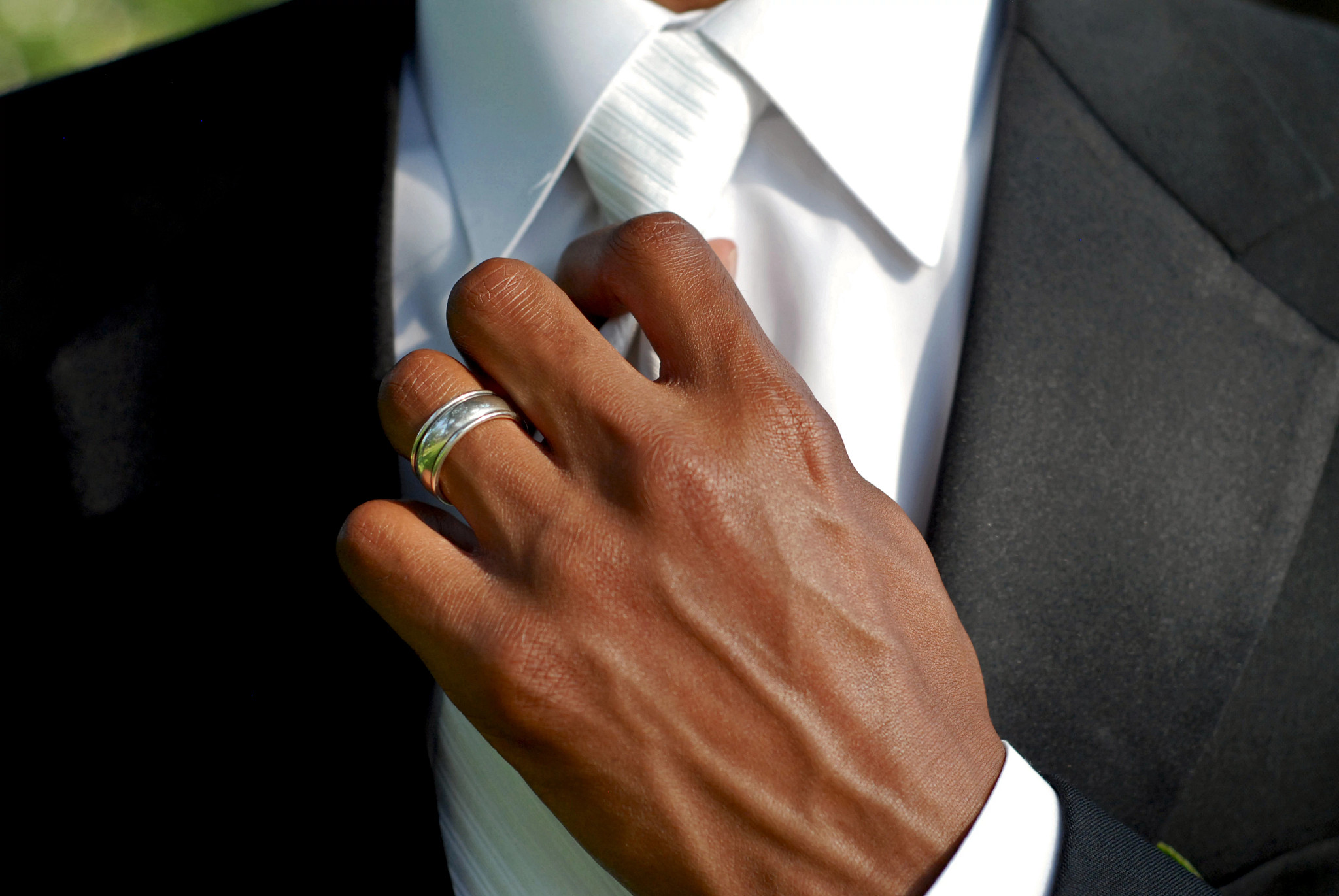
Cufflinks: are they a functional necessity or a decorative statement piece? In the world of fine jewelry, they are uniquely both. From understated metal studs to vibrant opal accents and intricate symbols, these small accessories can pack a big punch. While they might seem intimidating to those who are new to cufflinks, mastering the art of wearing them is one of the simplest ways to enhance your wardrobe. Whether you’re wondering how to wear cufflinks for the first time or if you can wear cufflinks on any shirt, read on to learn everything you need to know about cufflinks.
What are cufflinks?
Cufflinks are tools for keeping shirt cuffs closed, serving as an elegant alternative to the standard buttons sewn onto most sleeves. Think of cufflinks as the jewelry equivalent of fashionable yet functional buttons. They provide utility, yes, but cufflinks also offer an opportunity to bring a little style and personal expression to your look. Cufflinks can range from classic gold and silver to heirloom-quality pieces featuring gemstones or custom engravings. They are primarily designed for shirts with French cuffs, which are extra-long cuffs that fold back on themselves, though they can also be used with convertible cuffs.
How to put on cufflinks
Basically, cufflinks slide through the buttonholes on shirt cuffs and lock into place to keep the fabric secure. Learning how to put on cufflinks is a straightforward process that becomes second nature with a little practice. Follow these steps:
- Prepare the cuff. Start with a clean, pressed cuff-style shirt and fold the cuffs back so the buttonholes on either side of the sleeve opening are perfectly aligned.
- Pinch the edges. Instead of overlapping the fabric like a standard buttoned shirt, pinch the two open edges of the cuff together so they lie flat against each other, pointing away from your wrist in what is often called a “kiss” cuff.
- Insert the post. Ensure the decorative face of the cufflink is facing outward. Slide the post of the cufflink through both sets of buttonholes from the outside in.
- Secure the back. Once the post is through all layers of fabric, flip the toggle or secure the backing to lock the cufflink in place.
Common types of cufflink closures
While the method of putting them on remains largely the same, the mechanical backing of a cufflink can vary widely. Understanding these variations can help you build a collection that considers ease and aesthetics.
Bullet back
For the beginner, the Bullet Back is a good place to start. It features a small cylinder that rotates 90 degrees to lock the cufflink in place. It’s simple, reliable, and easy to operate with one hand.
Whale back
Similarly, Whale Back cufflinks have a flat, solid tail that flips against the post. Both are excellent for daily corporate wear because they stay secure through a long day of movement.
Chain link or fixed back
If you’re looking for something more traditional, you might encounter Chain Link or Fixed Back cufflinks. Chain links are the most classic expert choice, featuring two decorative faces connected by a short chain. These allow for a slightly looser, more comfortable cuff fit, but they can be tricky to thread through the holes if you’re in a hurry.
Fixed Backs, on the other hand, have no moving parts. Instead, they are solid pieces of metal with a curved post and a small ball or disk at the end. These are used for their durability and double-sided look, ensuring that the underside of your wrist looks sophisticated too.
Can you wear cufflinks on any shirt?
One of the most common questions for those new to formalwear is whether any standard button-down can accommodate cufflinks. Traditionally, cufflinks for men require a French cuff shirt (also known as a double cuff). These shirts are designed without buttons and feature extra fabric that must be folded back and fastened with a cufflink. Because the fabric is doubled over, it provides the necessary weight and structure to support heavier metal or gemstone cufflinks without sagging.
However, modern clothiers have introduced the Convertible Cuff dress shirt. This hybrid shirt features a standard button and an additional buttonhole on the opposite side. This style allows you to either button the cuff normally for a casual Tuesday or slide a cufflink through for a fancier weekend evening event. If you try to wear cufflinks on a standard single-button cuff that isn't "convertible," you'll find there is nowhere for the post to go. While some people choose to have a tailor remove the buttons and add holes to their favorite shirts, starting with a true French cuff is always the best way to ensure the sleeve proportions look correct under a suit jacket.
When to use cufflinks
Deciding when to use cufflinks depends on the setting, as they are the ultimate way to signal that you’ve put effort into your presentation. While they were once a staple of formal dress codes, modern fashion has opened the door for them to appear in a variety of environments.
Formal events
For black-tie galas, weddings and white-tie affairs, cufflinks are essentially a requirement. In these high-stakes environments, the goal is polished uniformity. Opt for classic materials like sterling silver, gold or onyx to complement a tuxedo or a dark formal suit. If you’re attending a wedding, this is also a great moment to wear heirloom jewelry that carries a family story, adding a layer of personal significance to the celebration.
Corporate setting
For the boardroom, cufflinks serve as a subtle marker of professionalism and attention to detail. Stick to understated designs like brushed metals or simple geometric shapes that won’t distract during a presentation. Cufflinks convey a sense of authority and completeness to your look that a standard button cuff simply can't. Matching your cufflink metal to your watch or belt buckle is a pro move that shows you understand the nuances of coordination.
Holidays and seasonal occasions
Holiday parties and seasonal gatherings are the perfect time to let your personality shine through with more creative designs. Whether it's a festive pop of color via a ruby-toned gemstone for a winter gala or a nautical-inspired knot for a summer garden party, these occasions allow for a bit more fun. Since these events are often celebratory, you might even consider commissioning custom jewelry to create a one-of-a-kind pair of cufflinks that reflects your specific holiday traditions or interests.
Casual outings
You might be surprised to learn that you can wear cufflinks in a casual setting. When paired with a crisp French cuff shirt and a well-fitted blazer (no tie required), cufflinks add an unexpected touch of sophistication to a dinner date or an upscale gallery opening. For these less formal moments, silk knots or button-style metal cufflinks work best, keeping the vibe relaxed yet intentional.
How to style cufflinks
Styling cufflinks requires keeping a keen eye on proportions and metal matching. To keep your look cohesive, aim to have the metal of your cufflinks match that of your other accessories, like your watch, belt buckle, or wedding band. If you’re wearing a white shirt, almost any color or material will work. If you’re wearing patterned or colored shirts, choose a cufflink that pulls a subtle hue from the fabric. Be sure to pay attention to the cufflink’s size in relation to your wrist and the sleeve of your jacket. A massive, chunky cufflink can look out of place with a slim-fit European suit, whereas a dainty stud might get lost on a heavier fabric suit.
How to clean cufflinks
To keep your collection looking its best, regular maintenance is key, especially for pieces containing porous stones like opals or turquoise. For most metal cufflinks, a gentle wipe with a soft microfiber cloth after each wear will remove skin oils and prevent tarnish. If your cufflinks feature intricate settings or gemstones, a dip in warm water with a drop of mild dish soap, followed by a soft-bristled toothbrush scrub, can work wonders. However, always be cautious with soft stones; never soak opals or pearls, as excessive moisture can damage their internal structure. Instead, simply wipe them with a damp, lint-free cloth.
Protect your valuable jewelry with Jewelers Mutual
Protecting your valuable jewelry from the unexpected is a smart choice. Protect your valuable jewelry with a personal jewelry insurance policy from Jewelers Mutual, which provides comprehensive coverage for loss, theft, damage and disappearance. Click the button below to check your rate today!