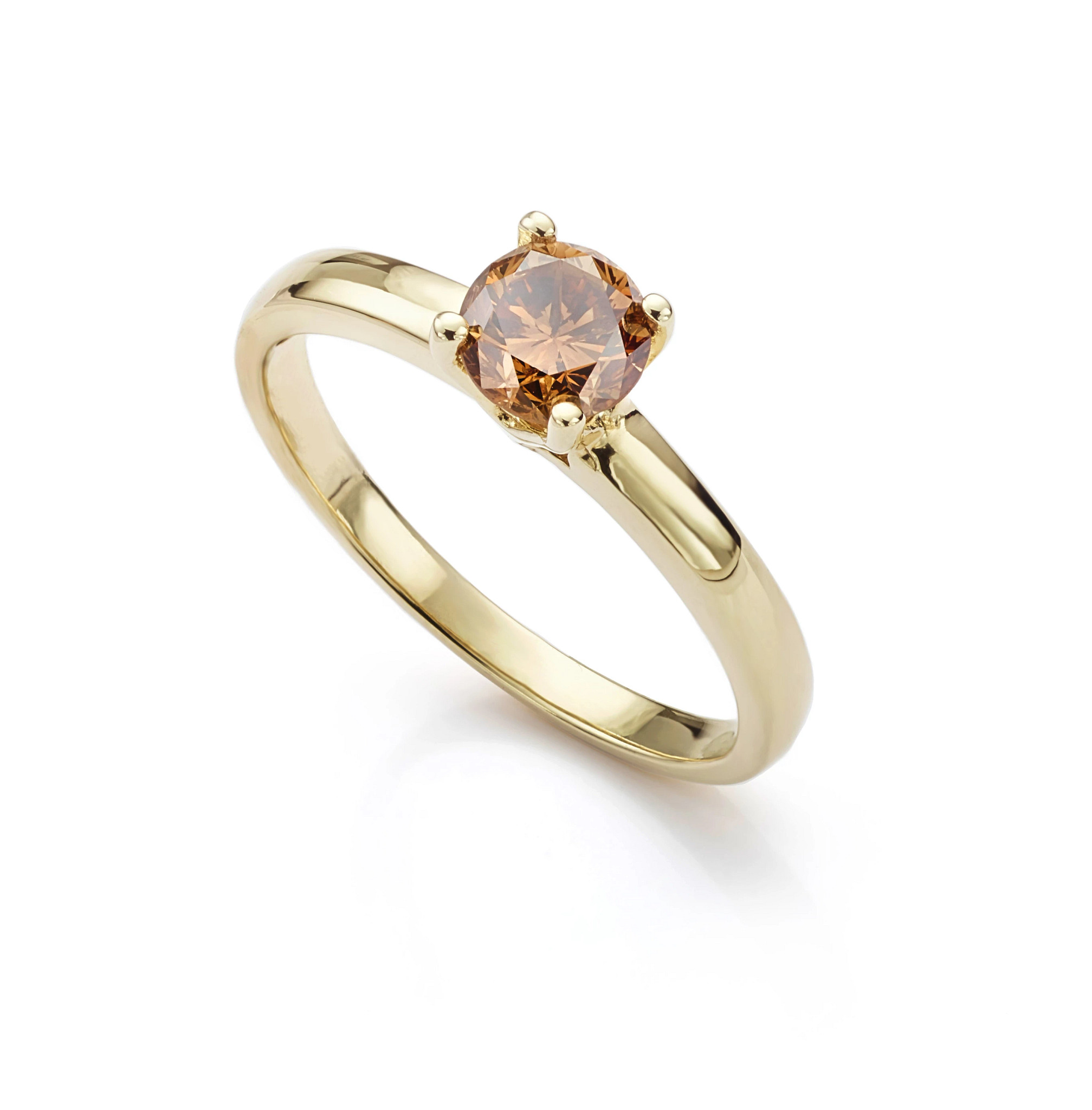
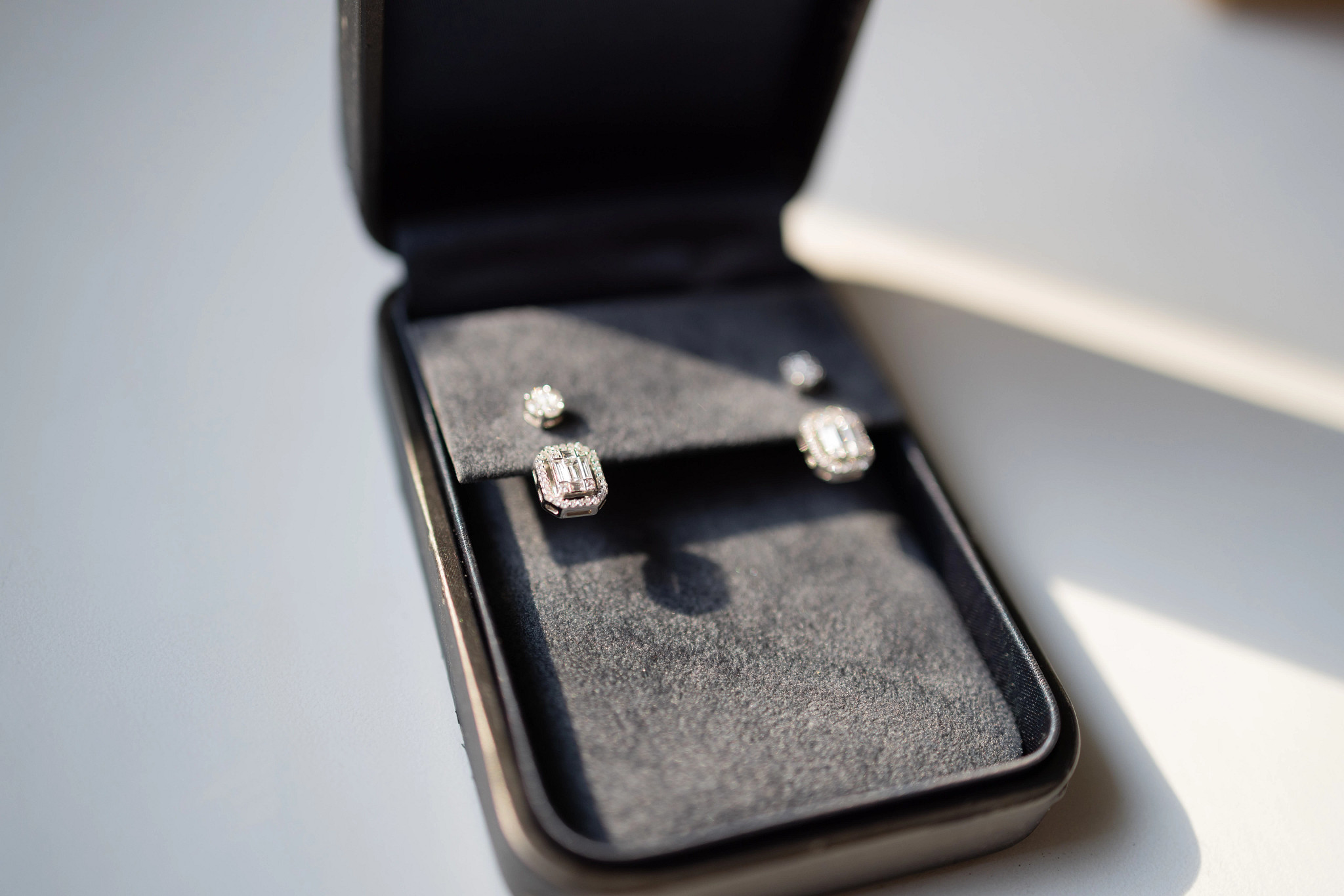
The process of selecting and purchasing an engagement ring can be intimidating. What style will your partner like? How big should it be? Some may say, “The bigger, the better,” while others may prefer a more subtle sparkle. And while size is important to some, you’ll want to consider other factors like your partner’s personal style, finger size and current engagement ring style trends, too. Read on to learn how to determine what the best diamond size is for an engagement ring for you!
How to choose the right engagement ring carat size
Wondering what the average engagement ring size actually is? It’s approximately 1.7 carats. But bigger isn’t always better—or even really bigger sometimes. When it comes to diamonds, carat weight and visual size aren’t the same thing. Two diamonds with identical carat weights can appear very different on the hand, depending on their cut, shape, setting and even finger size. If you’re trying to get the most sparkle and presence for your budget, understanding what really makes a diamond look big is key.
Carat weight vs. visual size
Carat refers to weight, not physical size—a distinction that’s often misunderstood. Two diamonds with the same carat weight can appear very different depending on each diamond’s cut and proportions. A heavier diamond doesn’t always look larger, especially if the weight is distributed vertically rather than horizontally. When considering what size diamond you want for an engagement ring, visual size can be just as important as carat weight, especially if you're aiming for maximum sparkle and presence.
Cut quality
Cut quality plays a huge role in a diamond’s appearance. A well-cut diamond can reflect light more effectively, resulting in greater brilliance and the illusion of a larger size. In contrast, poorly cut diamonds may appear smaller and less vibrant, even if they share the same carat weight. If you want the size of your engagement ring to appear larger without increasing its carat weight, prioritizing cut is one of the most effective strategies. A lower-carat but exceptionally well-cut diamond can often outshine and appear larger than a heavier, poorly cut one.
Diamond shape
The shape of a diamond also significantly affects how large it appears when worn. Certain shapes, such as oval, pear and marquise, look like they have a larger face-up area than round diamonds of the same carat weight due to their thinner, longer silhouettes. Round diamonds, while popular and classic, often appear smaller by comparison because of their more compact shape and deeper cut proportions. Understanding which shapes offer more visual size can help buyers get the most presence for their budget.
Finger size to carat ratio
The proportion between finger size and diamond carat weight is another factor to consider. A diamond can look dramatically different depending on the hand it’s worn on. For example, a 1-carat diamond might appear quite large on smaller hands or slender fingers, while the same stone may appear smaller on larger hands. Additionally, the width of the ring band plays a role; thinner bands can make the center stone seem more prominent, whereas wider bands help balance out a larger diamond.
Ring setting type
The type of ring setting can either enhance or diminish the visual size of the diamond in your engagement ring. Some settings, like halo or bezel designs, are specifically crafted to make the center stone appear larger by surrounding it with smaller diamonds or metal that extends the visible surface area. Thin or delicate bands can also boost the perception of size. Conversely, certain settings, such as three-stone or vintage cluster designs, may cause the diamond to appear smaller than it actually is.
Lab-Grown vs. natural diamonds
If your heart isn’t entirely set on a naturally mined diamond for your perfectly sized engagement ring, lab-grown diamonds offer a compelling alternative. Because they are generally somewhat less expensive per carat, lab diamonds allow buyers to choose a larger stone without increasing their budget. This may make it easier to achieve the desired size and visual impact.
Certification & cut standards
Diamond certification can also impact how large and brilliant a stone appears. Naturally mined diamonds certified by reputable organizations, such as the Gemological Institute of America (GIA) or the American Gem Society (AGS), typically meet stricter standards for cut, which directly affects light performance and visual size. Lab-grown diamonds have a different certification standard. When shopping, it’s helpful to look for diamonds graded as "Excellent" or "Ideal" in cut, as these tend to have the best visual impact, even at lower carat weights.
Carat “price jumps”
Diamond prices do not increase linearly with carat weight. Instead, they often jump significantly at popular engagement ring size benchmarks, such as 1.0 carat, 1.5 carats, or 2.0 carats. Choosing a diamond just under these thresholds, such as a 0.9 carat instead of a full 1.0 carat, can result in substantial savings with little to no visible difference to the naked eye.
Market trends & availability
Finally, market availability can influence which sizes and shapes are easier to find or more affordable. Certain shapes or carat weights may be more commonly available due to consumer demand, which can affect pricing and inventory levels. Staying aware of these trends can help you navigate the diamond market more strategically, especially if you have flexibility in terms of your desired shape or exact carat size.
How to maximize the diamond size that still fits your budget
To maximize your engagement ring’s diamond size while staying within budget, consider opting for slightly lower clarity or color grades that still appear eye-clean and colorless to the naked eye. Choosing a diamond just under popular carat milestones, such as 0.9 carat instead of 1.0 carat, can offer savings with minimal visual difference. Keep in mind that fancy shapes, such as ovals, pears, or marquises, often appear larger than round diamonds of the same carat weight. You can also save by selecting a high-quality cut, which enhances a diamond’s sparkle and can make the stone look bigger.
Other key factors to consider when choosing carat size for your ring
When selecting the perfect diamond carat size, it’s not just about picking a number. It’s about aligning the diamond with your budget, your partner's lifestyle, personal style and the overall aesthetic of the ring. Let’s break down some key considerations:
Budget
It’s always smart to start with a budget when shopping for jewelry, and it’s often the most immediate factor when choosing the perfect diamond size for an engagement ring. While it may set certain limits on carat weight or setting options, there are still many ways to maximize visual impact within your price range. Prioritizing factors like cut quality, ring setting, and diamond shape can help you achieve a beautiful, well-balanced look without exceeding your budget.
Wearer’s Personal Style and Lifestyle
A flashy, oversized diamond may not be suitable for someone with a minimalist or practical lifestyle. Do they love bold, statement jewelry? Or do they prefer subtle, classic pieces? Is their day-to-day life active or hands-on (for example, nurses, chefs, artists)? For those who prefer timeless or understated elegance, a smaller stone and/or a refined setting may be just right. Meanwhile, those who love fashion-forward or luxurious pieces might lean toward higher carat weights or eye-catching settings. You may also want to consider how the engagement ring size will pair with a future wedding band, if there's potential for them to be worn together, whether stacked on the same finger or even on different hands.
How the diamond’s size interacts with the overall ring setting
While the size of an engagement ring does concern the diamond’s carat weight, it also must take into consideration how that size works with the setting as a whole. For example, while the average carat size for an engagement ring is around 1.7 carats, a halo setting can make a smaller stone appear much larger. A solitaire design keeps the focus solely on the center stone, while vintage or multi-stone styles use complementary side stones to enhance the overall impact. When considering the size of a diamond for an engagement ring, it's essential to think beyond carat weight. The right setting can make all the difference in achieving a balanced, beautiful look.
So, what diamond size is right for you?
There’s no one-size-fits-all answer—and that’s a good thing. Whether you’re secretly shopping for an engagement ring or buying one as a couple, the "perfect" carat size is the one that feels just right for your budget, your partner's style, and your shared values. Whether that's a dazzling 0.9-carat diamond in a sleek bezel setting or a 2.5-carat showstopper surrounded by a halo, the perfect engagement ring size is the one that suits you best.
Protect your perfectly sized engagement ring today
Regardless of the size of your engagement ring's diamond, you should consider insuring it (and any other valuable and/or sentimental jewelry pieces!) with a personal jewelry insurance policy from Jewelers Mutual. Individuals seeking jewelry insurance often believe that insuring their jewelry through a homeowners insurance policy is the best option. While homeowners insurance is an excellent policy for insuring homes, personal jewelry policies can provide affordable coverage for your jewelry without ever having to file a claim against your home. Check your rate from Jewelers Mutual by clicking the button below.
FAQ
Still looking for more info on how to choose the right diamond size for your engagement ring? Below are some of the most frequently asked questions about the average carat size for an engagement ring.
What is a respectable diamond size?
A “respectable” diamond size is highly subjective and often influenced by cultural norms, regional trends and personal expectations. Many consider anything around 1 to 1.5 carats to be a classic and elegant choice. However, what matters most is how the ring reflects the wearer’s personality and lifestyle—not just the number on a certificate. A well-cut 0.75-carat diamond can look just as impressive as a higher-carat stone, depending on the setting and shape.
What is a good size stone for an engagement ring?
A good size for an engagement ring is typically between 0.9 and 1.5 carats, striking a balance between appearance and wearability. That said, the "right" size varies based on factors like finger size, setting style and budget. Some may prioritize sparkle and cut over carat weight, while others might prefer a bold, statement-making-sized engagement ring. Ultimately, the best size is the one that feels right for you and your partner.