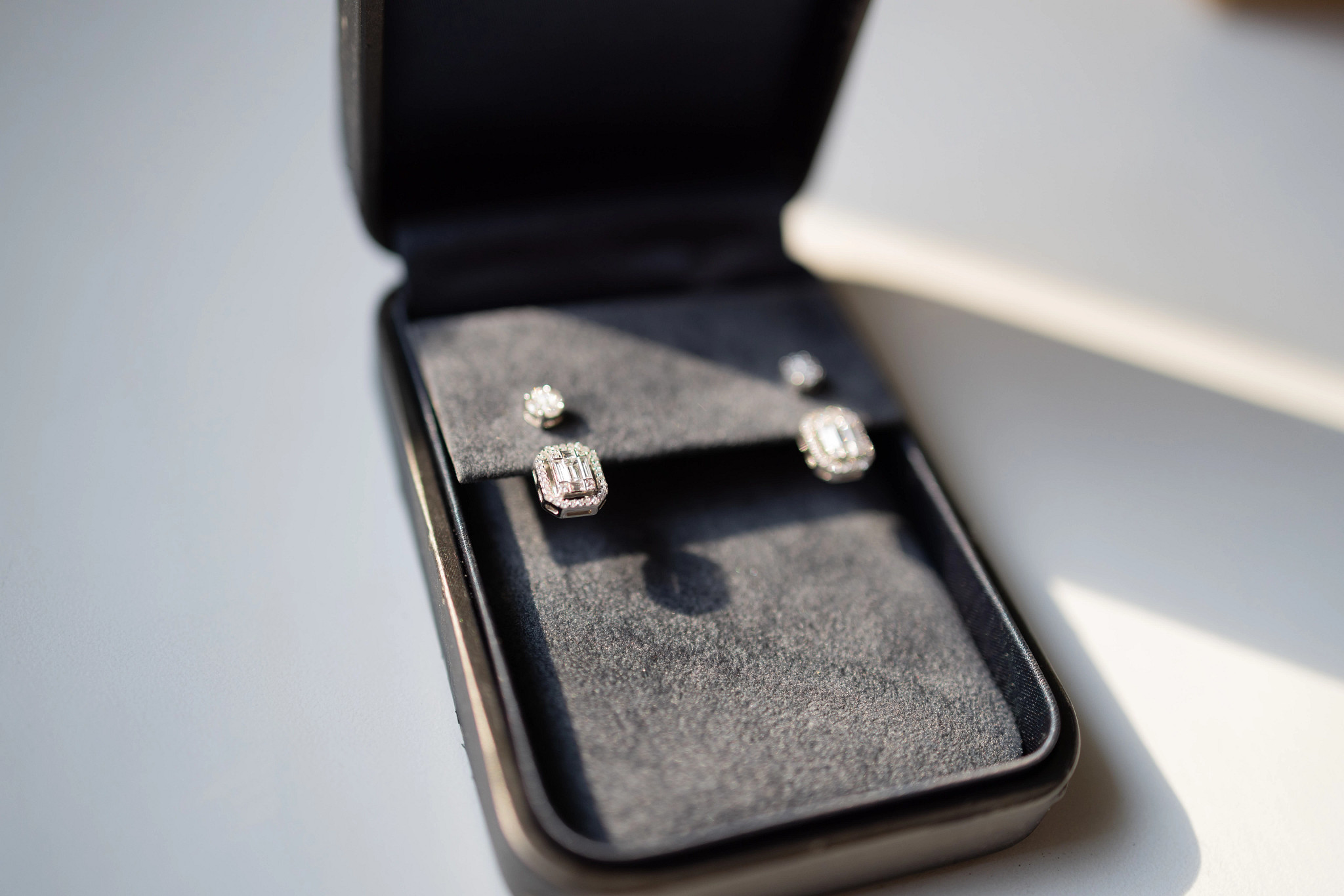
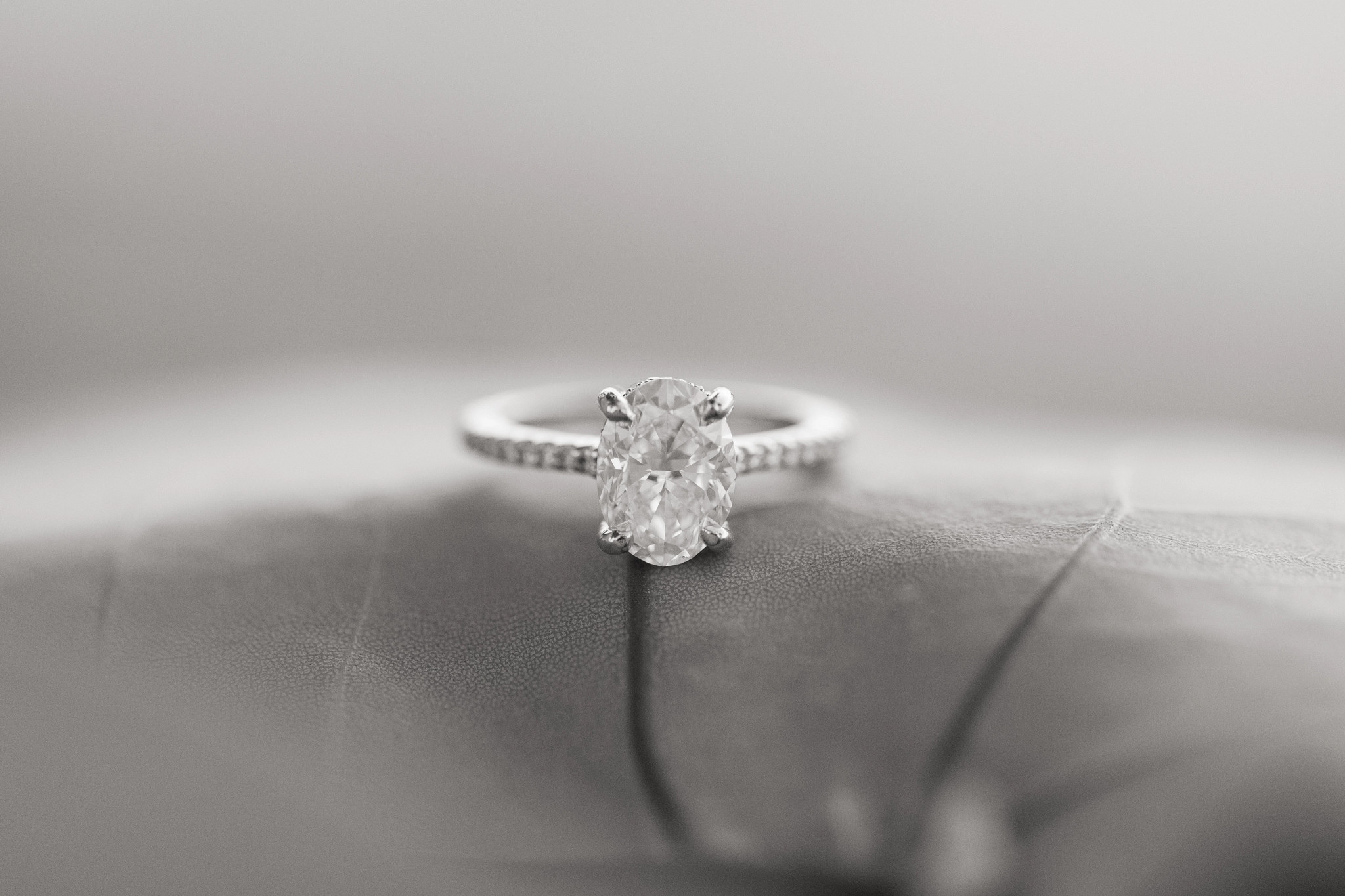
You might be wondering, ‘are brown diamonds real?’ Brown diamonds were once considered the “ugly ducklings” of the diamond world, overshadowed by the classic sparkle of colorless diamonds. Today, that perception has shifted as more jewelry lovers discover their warmth, versatility and distinctive beauty. With hues ranging from light champagne and cinnamon to rich amber, cognac and chocolate, brown diamonds offer understated elegance that suits both everyday wear and striking statement designs. In this guide, learn everything you need to know about brown diamonds, including their spectrum of colors, their history and tips for choosing the right one for you.
What is a brown diamond?
A brown diamond is a naturally occurring diamond that displays shades of brown rather than the traditional clear or white appearance. Like all diamonds, it is composed of pure carbon and forms under intense heat and pressure deep within the Earth. Because its color falls outside the traditional D-to-Z grading scale, it is classified as a fancy color diamond—a group that also includes yellow, pink, and blue diamonds. Brown diamonds can appear in a range of brown tones from soft and subtle to deep and rich, each with unique variations in hue and saturation.
What makes a diamond brown?
Brown diamonds owe their color to tiny defects in their crystal lattice that occur during formation, along with trace nitrogen impurities. These structural and chemical variations affect how the diamond absorbs and reflects light, resulting in a spectrum of brown shades. Many brown diamonds also show secondary undertones, like tints of yellow or orange, which add richness and depth. While most brown diamonds are naturally colored, some are treated with heat or irradiation to make their hues more vivid. Jewelers often classify brown diamonds by Fancy Light Brown, Fancy Brown, or Fancy Dark Brown to highlight subtle differences in shade and intensity.
Fun fact: brown is the most common fancy color in diamonds (nearly 98% of rough mined stones show at least a tinge of it)!
Different types of brown diamonds
Brown diamonds span a spectrum of warm, inviting tones, each with its own character and charm. Many are named after sumptuous drinks or spices, perfectly capturing the color and mood of each variety.
Champagne diamond
Champagne diamonds are light golden-brown with a sparkling shimmer, reminiscent of a crisp glass of bubbly. Their delicate, luminous color adds subtle elegance to any jewelry design.
Coffee diamond
Coffee diamonds feature rich, deep brown tones that evoke the cozy warmth of freshly brewed coffee, espresso, or mocha. These gems bring warmth and contrast to rings, earrings and pendants.
Chocolate diamond
Chocolate diamonds exhibit a rich, dark brown that is deeper and bolder than coffee diamonds, with smooth velvety tones that bring a touch of decadent sophistication to any look.
Cognac diamond
Cognac diamonds are warm brown with reddish or orange undertones radiating a luxurious glow, like a full-bodied cognac. Their fiery warmth makes them especially eye-catching in statement pieces.
Whiskey diamond
Whiskey diamonds blend amber and golden-brown tones that deepen into smoky shades, capturing the richness of aged whiskey and reflecting a refined glow.
Cinnamon diamond
Cinnamon diamonds range from light, sandy brown to deeper, reddish-brown, with warm, spicy tones infusing each piece with an earthy elegance.
Honey diamond
Honey diamonds are golden-brown with a sun-kissed glow, radiating the soft, sweet warmth of natural honey.
A brief history of brown diamonds
Brown diamonds have been used in jewelry for centuries. In ancient Rome, uncut raw brown diamonds with naturally earthy hues were set into gold rings between the 1st and 3rd centuries CE. Later, deposits in India and Brazil produced large quantities, but their muted color and wide availability kept them from being highly valued for jewelry. For decades, brown diamonds were used primarily for industrial purposes, helping to cut, grind and coat drill bits and tools. That all changed in the 1980s with the discovery of the Argyle mine in Australia, once the world’s largest source of brown diamonds. Jewelers and marketers gave these stones a glamorous makeover, introducing names like Champagne, Cognac and Chocolate to accentuate their warmth and sophistication. Today, brown diamonds are celebrated for their depth and versatility, appearing in engagement rings, pendants, and statement pieces that shine everywhere from red carpets to everyday jewelry collections.
How to pick a brown diamond
Aside from considering the 4Cs of diamond grading, consider the following tips to select a brown diamond that’s right for you.
Choose your hue
Start by exploring the broad color spectrum of brown diamonds. If you’re drawn to subdued elegance, lighter, softer shades like Champagne or Honey are ideal. For a bolder, more dramatic look, deeper colors such as Cinnamon, Cognac, Coffee or Whiskey really make a statement. Pay attention to secondary undertones or subtle tints of red, orange or amber, which can change the stone’s warmth and mood under different lighting.
Pick a cut that highlights color
The cut plays a significant role in how a brown diamond looks. Unlike colorless diamonds, which are cut to achieve maximum brilliance, brown diamonds are often cut to showcase their hue. Fancy cuts like radiant, cushion, marquise and pear cuts create a gentle glow, while step cuts like emerald or Asscher highlight clarity and clean lines. Lighter shades shine in cuts with lots of facets that keep them bright, while moodier tones look richer in shapes with more depth.
Check clarity
Brown diamonds naturally mask inclusions better than colorless diamonds, thanks to their depth of color. This makes it an excellent choice for pendants, engagement rings and even heirloom jewelry!
Decide on carat size and budget
Brown diamonds are typically more affordable than colorless, white or other fancy-colored diamonds, so it’s often possible to get a larger stone without stretching your budget. Bigger brown diamonds tend to show color more vividly, while smaller ones have a quieter charm. The cost of brown diamonds is not only influenced by carat weight but also by color saturation, clarity, and cut (part of the 4Cs mentioned before). Stones with richer hues, higher clarity grades or fancy cuts usually command higher prices. Think about the qualities that matter most to you to find the right balance of beauty and budget.
Select a setting and metal color
The right setting and metal can really make a brown diamond pop. Yellow or rose gold brings out its natural warmth while platinum and white gold create a striking contrast. Think about your style and lifestyle. A simple solitaire lets the diamond stand alone; a halo setting adds sparkle, and vintage-inspired designs offer timeless charm.
Protect your jewelry with Jewelers Mutual
Protect your brown diamonds (or any valuable jewelry pieces!) with a personal jewelry insurance policy from Jewelers Mutual. Get comprehensive and affordable protection against loss, theft, damage, disappearance, and natural disasters — even while traveling. Unlike homeowners insurance, it’s designed specifically for jewelry, providing repair or replacement without raising your homeowners insurance premium. Check your rate by clicking the button below.