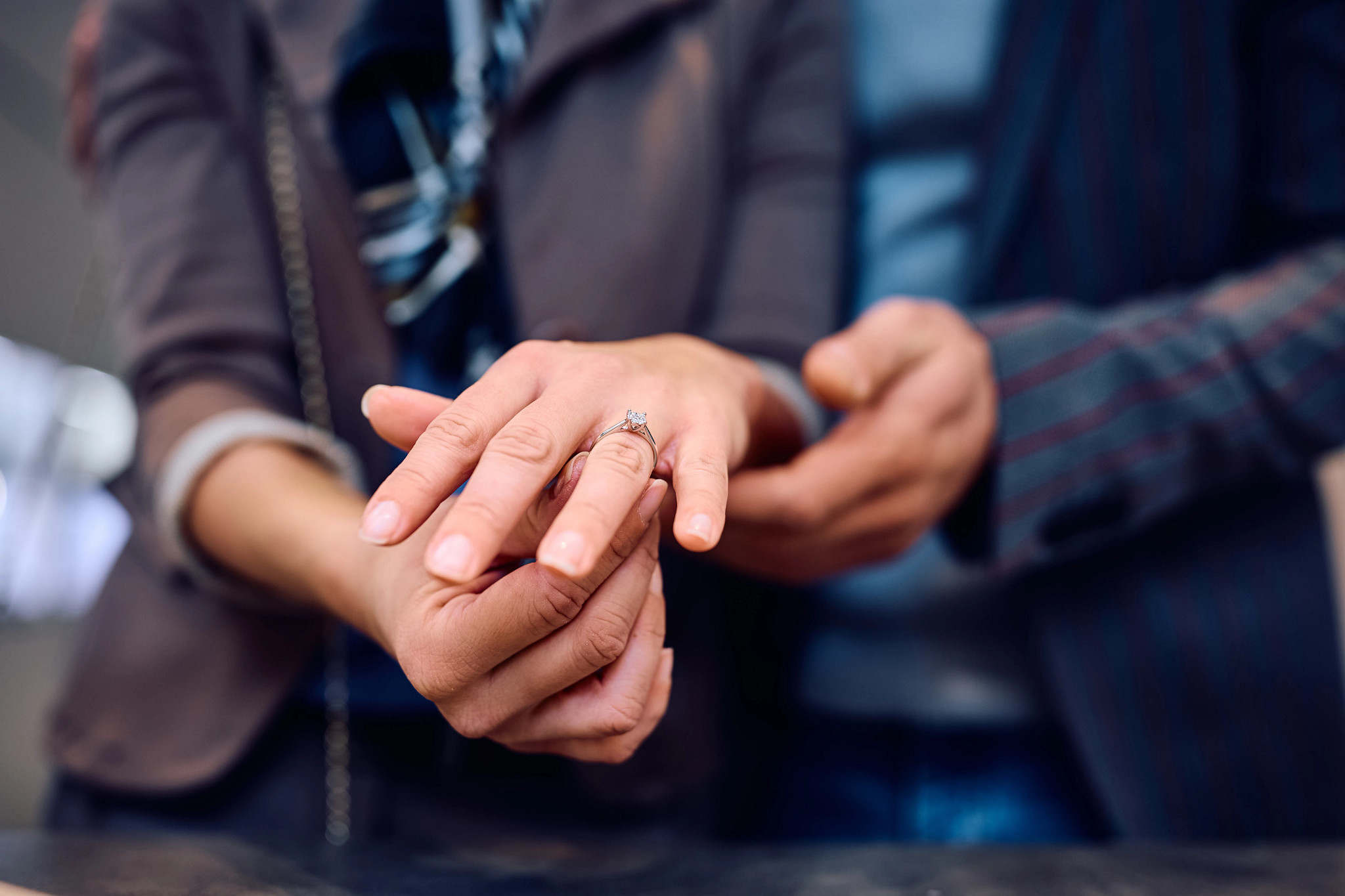
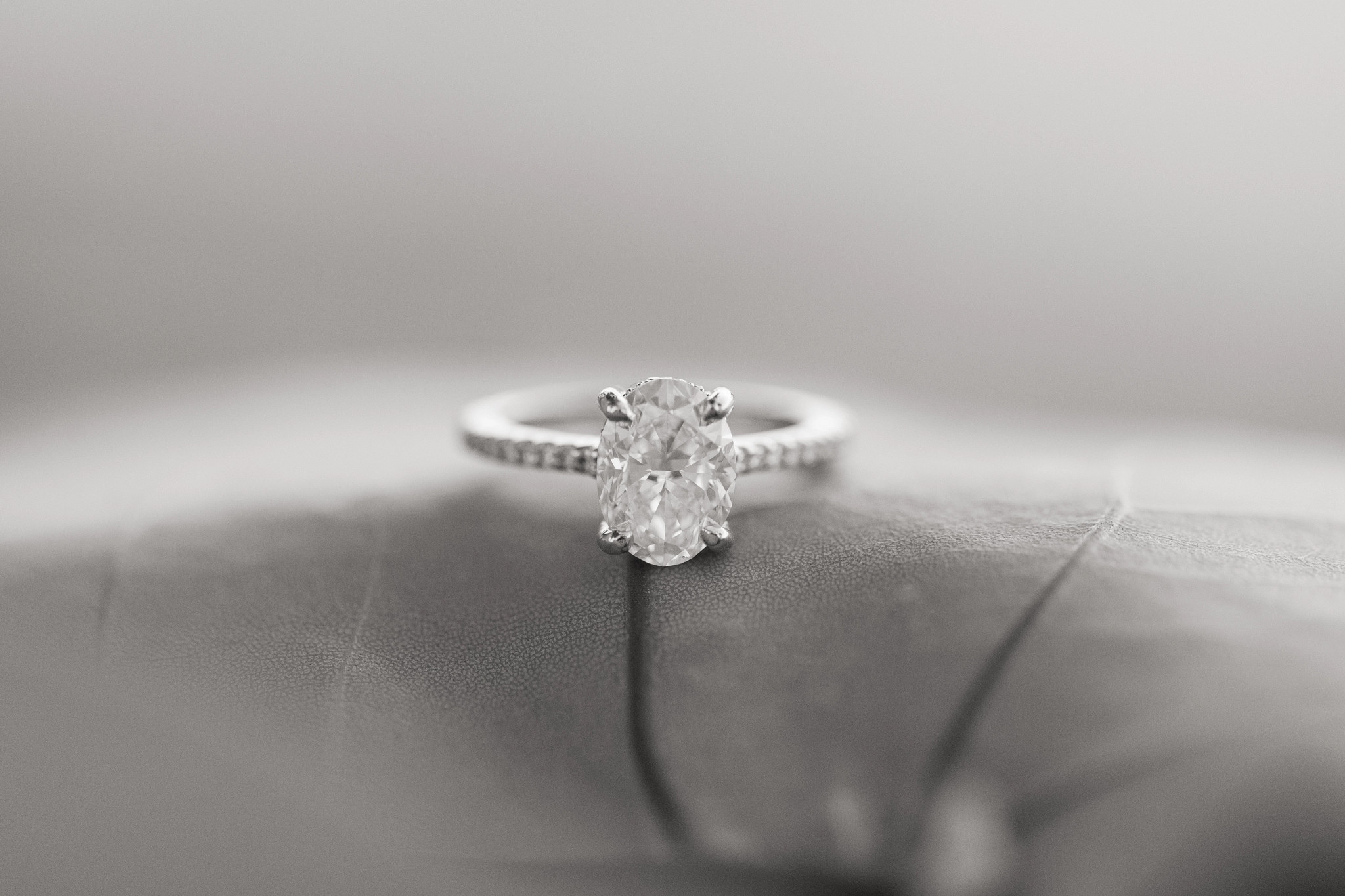
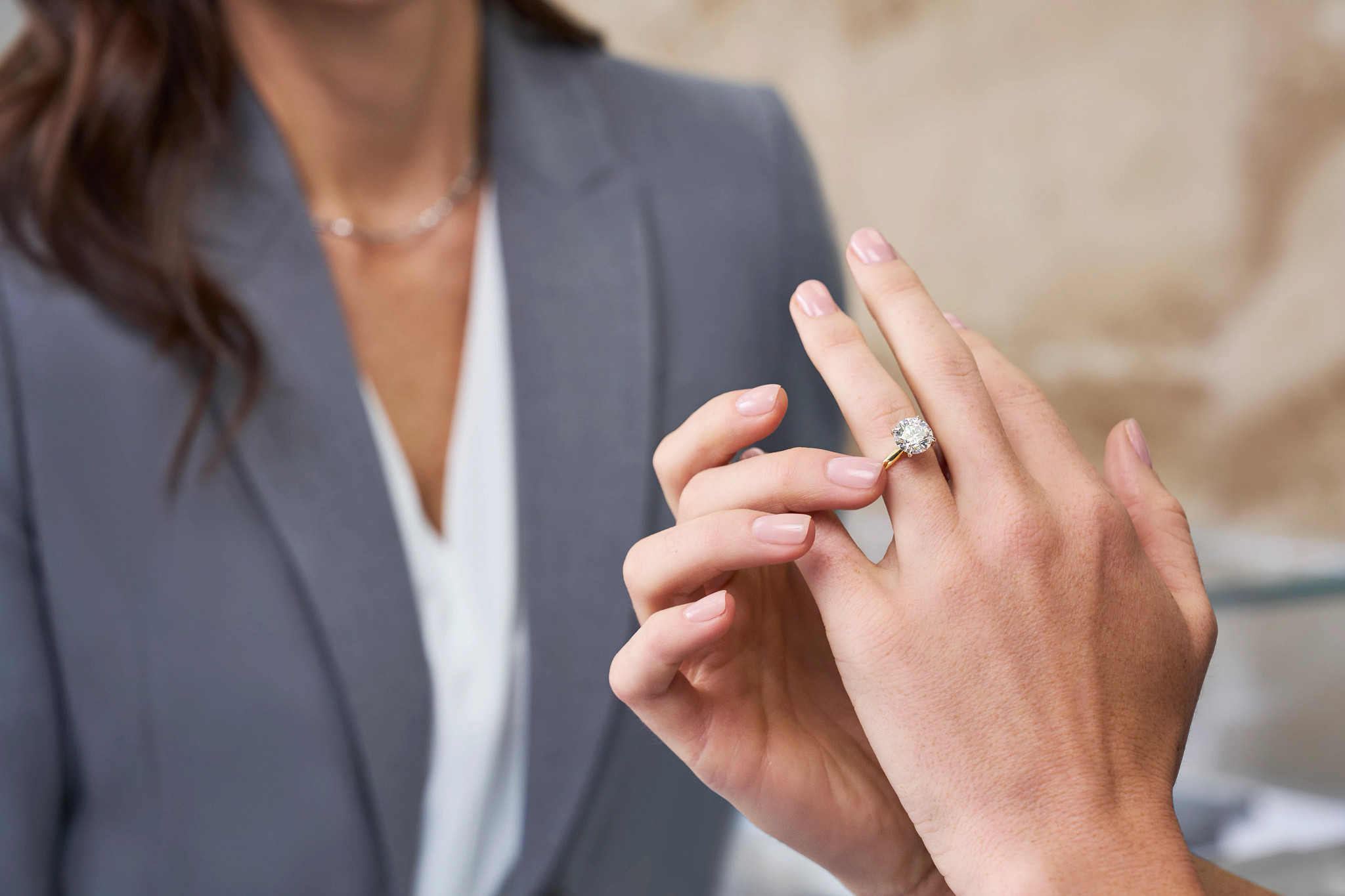
When it comes to engagement rings, second-hand might not be the first thing that comes to mind. But it’s a choice more and more people are considering. Whether you're drawn to the character of vintage styles, the more approachable price tag (who doesn’t love that?!), or you're simply exploring every option—especially for couples shopping for engagement rings together—second-hand engagement rings might earn a spot on your shopping list! Read on for everything you need to know about buying a second-hand engagement ring.
Benefits of second-hand engagement rings
While some might prefer a never-before-worn engagement ring, others see the great allure and benefits of second-hand engagement rings. Below are a few benefits that people like about this option.
Sustainable
Buying a second-hand engagement ring is often seen as a more sustainable choice compared to purchasing a brand-new diamond ring, as it doesn’t contribute to any demand for newly mined diamonds and metals. Buying a second-hand engagement ring gives new life to an existing piece, reducing the need for additional resource extraction, such as diamonds and metals. Choosing a second-hand ring makes a different statement than buying one that’s new; a statement of admiration for the quality of jewelry pieces already made with excellent craftsmanship, and a desire to help reduce the need for new mining.
Variety to choose from
One of the best aspects of shopping for a second-hand engagement ring is the sheer variety you’ll find, ranging from different styles, stone shapes, and settings to unexpected details that may not be present in modern designs. While new rings can absolutely be customized, second-hand and vintage diamonds often offer a level of character and uniqueness that’s hard to replicate. Despite the misconception that second-hand jewelry all looks the same, you’ll quickly find that no two rings are alike—and that’s exactly what makes buying a second-hand engagement ring special.
Can potentially save money
One of the biggest advantages of buying a second-hand engagement ring is the potential to save a some money compared to purchasing a new one. Pre-owned rings are often priced well below retail, even if they feature high-quality materials and craftsmanship. The final cost, of course, depends on the ring itself. Factors like a large, high-quality center stone, intricate design, accent diamonds or even a unique backstory can potentially drive up the price. But, in most cases, you'll likely find that second-hand engagement ring options can offer much better value for your budget.
3 Key things to look out for when buying second-hand engagement rings
When buying an engagement ring, couples usually consider the stone, setting, metal and how it will pair with a future wedding band. But when it comes to second-hand engagement rings, the checklist gets just a bit longer, mainly to ensure you’re getting exactly what you think you are. Pre-owned pieces (not just jewelry; think clothing, furniture or even cars) can be amazing finds, but they often require a closer look at quality, condition, and authenticity. Here are three key things to keep in mind as you shop:
Ensure you buy from a reputable source
This might go without saying, but it’s especially important when purchasing second-hand jewelry. Look for sellers with strong online reviews and a reputation for being honest, knowledgeable and transparent. Because these pieces have had a previous life, there’s always the chance of wear, previous repairs or minor damage. A trustworthy seller will disclose this upfront and provide clear details. While not all second-hand engagement rings will come with gemstone certifications, it’s worth asking if the ring includes a report noting characteristics like cut, clarity and carat weight (if the ring was insured, the seller will likely have these details!). If no paperwork is available, a professional jeweler can still help verify the authenticity and quality of the stone and setting. The more information you can get, the more confident you’ll feel with your purchase.
Check for stamps and hallmarks to ensure quality
When buying a second-hand engagement ring, it’s important to verify the quality of its materials—including the metal. One of the easiest ways to do this is by looking for stamps or hallmarks, which are small imprints pressed into the metal that indicate its composition. For example, a “14K” stamp means the ring is made of 14-karat gold, while "925" indicates sterling silver. Keep in mind, though, that the absence of a hallmark doesn’t necessarily mean the ring isn’t made from precious metals. The engraving might simply be worn down or perhaps was never stamped to begin with. If you really want to be sure of a ring's metal (especially for allergy purposes), consider consulting a professional jeweler who can test and confirm the metal type for you.
Determine value
Value depends on factors like cut, clarity, carat weight and color, along with the ring’s overall condition, designer or brand (if applicable), all play a role in determining a ring’s worth. While some second-hand rings may come with an appraisal or certification, others may require an independent evaluation. If you're unsure, consider having the ring appraised by a certified gemologist or trusted jeweler to ensure you're paying a fair price. This step can also be beneficial for insurance purposes in the future.
Where to buy second-hand engagement rings
If you’ve decided a second-hand engagement ring might be the right choice, the next question is: where do you actually find one? Fortunately, there are a number of reputable places to explore, whether you’re browsing from your couch or prefer to shop in person. Each option offers advantages, from convenience and variety to hands-on service and unique finds. The key is knowing what to expect and how to shop smart in each setting.
Online
Online marketplaces and jewelry retailers offer one of the largest selections of second-hand engagement rings, making it easy to compare styles, prices and certifications from the comfort of home. Retail and resale websites often feature vintage and designer pieces. Some online jewelers also specialize in certified pre-owned rings, offering detailed photos, grading reports and return policies. Keep in mind that photos may not capture every detail, so it's essential to buy from a site with authentication or guarantees. When shopping online, prioritize sellers with strong reviews, clear product descriptions and secure payment options. It’s also a good idea to inquire about return policies and any included appraisals before committing. Be sure to have the ring insured throughout the shipping process, and, of course, once it’s in your possession as well.
Local jewelry stores
Your local jeweler can be an excellent resource for finding high-quality second-hand rings. Many stores carry estate or vintage pieces, and working with them in person gives you the chance to inspect the ring closely, ask questions and often receive expert guidance on value and condition. Reputable jewelers may even offer resizing, cleaning or appraisal services as part of the purchase. Plus, developing a relationship with a trusted local jeweler can be helpful for future maintenance or upgrades. While the selection may be smaller than online, the personalized experience and professional assistance may be preferred by some.
Estate sales
You may have a chance to find a unique, one-of-a-kind engagement ring at estate sales and auctions, especially if you’re drawn to vintage or antique styles. These rings often come with histories and craftsmanship not found in modern designs. Prices at estate sales are sometimes more negotiable, but it's important to do your research, since items may not come with detailed documentation. Keep in mind that purchases from estate sales are typically final, so you’ll want to be sure about what you’re getting. Still, for those willing to hunt, estate sales can offer incredible value and rare finds.
How to authenticate second-hand engagement rings
Before finalizing your purchase, it’s important to make sure the ring you’re buying is exactly what the seller claims it to be, in terms of quality, materials and value. Unlike buying brand-new, second-hand rings may come with a little more mystery. That’s why proper authentication is key. Whether you're buying online or in person, taking a few simple steps can help you feel confident in your investment and help you avoid potential surprises. Below are some helpful ways to verify the authenticity and overall condition of a second-hand engagement ring.
Request documentation
One of the first things to ask for when buying a second-hand engagement ring is any existing documentation. This might include a certificate from a gemological lab, an original receipt or a previous appraisal. While not every second-hand ring will come with paperwork, having it adds transparency and can help confirm essential details like the diamond's carat weight, clarity and origin. If documentation isn’t available, that doesn’t mean the ring isn’t genuine; however, it does mean you may need to take extra steps to verify its details independently. Always ask the seller what records they have, and don’t be afraid to walk away if something feels off.
Have it appraised
Getting a second-hand engagement ring appraised by a certified gemologist or jeweler is one of the most reliable ways to authenticate it. An appraisal allows a professional to evaluate the ring's gemstone quality, metal composition and current market value. It can also uncover any hidden issues, such as damage or repairs that might affect the ring’s worth. Appraisals are especially useful if the ring doesn’t come with original documentation. You can request one before you buy (if the seller allows), or have it appraised immediately after purchase for insurance purposes. Either way, it’s a small investment that can provide clarity about the ring’s details.
Check for hallmarks
Hallmarks are tiny stamps found on the inside of a ring band that indicate the type of metal used, like "14K" for 14-karat gold or "PLAT" for platinum. These marks can help confirm the authenticity and value of the metal, especially in older or vintage rings. In addition to metal purity stamps, some rings also include maker’s marks or designer signatures, which can further verify origin or brand. However, some rings (especially very old or heavily worn ones) may have faint or missing hallmarks. If you're unsure about the meaning of a stamp, a jeweler can help interpret it for you.
Have a jeweler inspect the prongs
A ring’s prongs - the tiny metal claws that hold the center stone in place - are a small but essential part of your ring's structure. Over time, prongs can loosen, wear down or become damaged, especially in older or heavily worn rings. A close inspection can reveal whether the prongs are secure and properly aligned, or if they might need reinforcement. Loose or uneven prongs can be a red flag for potential damage or stone loss down the line. Before buying, have a jeweler inspect the setting to ensure it's structurally sound and that the gemstone is held safely in place. This step is important, especially if the ring doesn’t come with a warranty.
Check overall condition
General wear and tear is expected with second-hand rings, but evaluating the overall condition helps you understand how much love (or neglect) the piece has seen. Look for scratches, worn edges, a thin band or missing accent stones. Some signs of wear may be purely cosmetic and can be polished or repaired, while others, such as a heavily worn band or damaged settings, might affect long-term durability. Ask the seller if the ring has been recently cleaned, serviced or resized. Knowing the condition upfront helps set expectations and gives you a better sense of the ring’s actual value.
How to care for second-hand engagement rings
Second-hand engagement rings often come with a bit of history, so proper care is essential to preserve their beauty and longevity. Start with regular cleanings using a gentle jewelry cleaner or mild soap and a soft brush to remove dirt and buildup. It’s also a good idea to have the ring professionally inspected once or twice a year to check for loose stones, prongs that are worn down, bent or crooked, or other signs of wear. When not wearing your ring store your ring properly to preserve its beauty. With a little extra attention, your pre-loved-and-new-again ring can shine for decades to come.
Protect your second-hand engagement rings with Jewelers Mutual
No matter its age or origin, your engagement ring deserves the same level of protection as any new piece. A personal jewelry insurance policy from Jewelers Mutual can provide comprehensive coverage from loss, theft and damage. While many people use homeowners insurance it often comes with drawbacks compared to personal jewelry insurance. Check your jewelry insurance rate from Jewelers Mutual by clicking the button below.