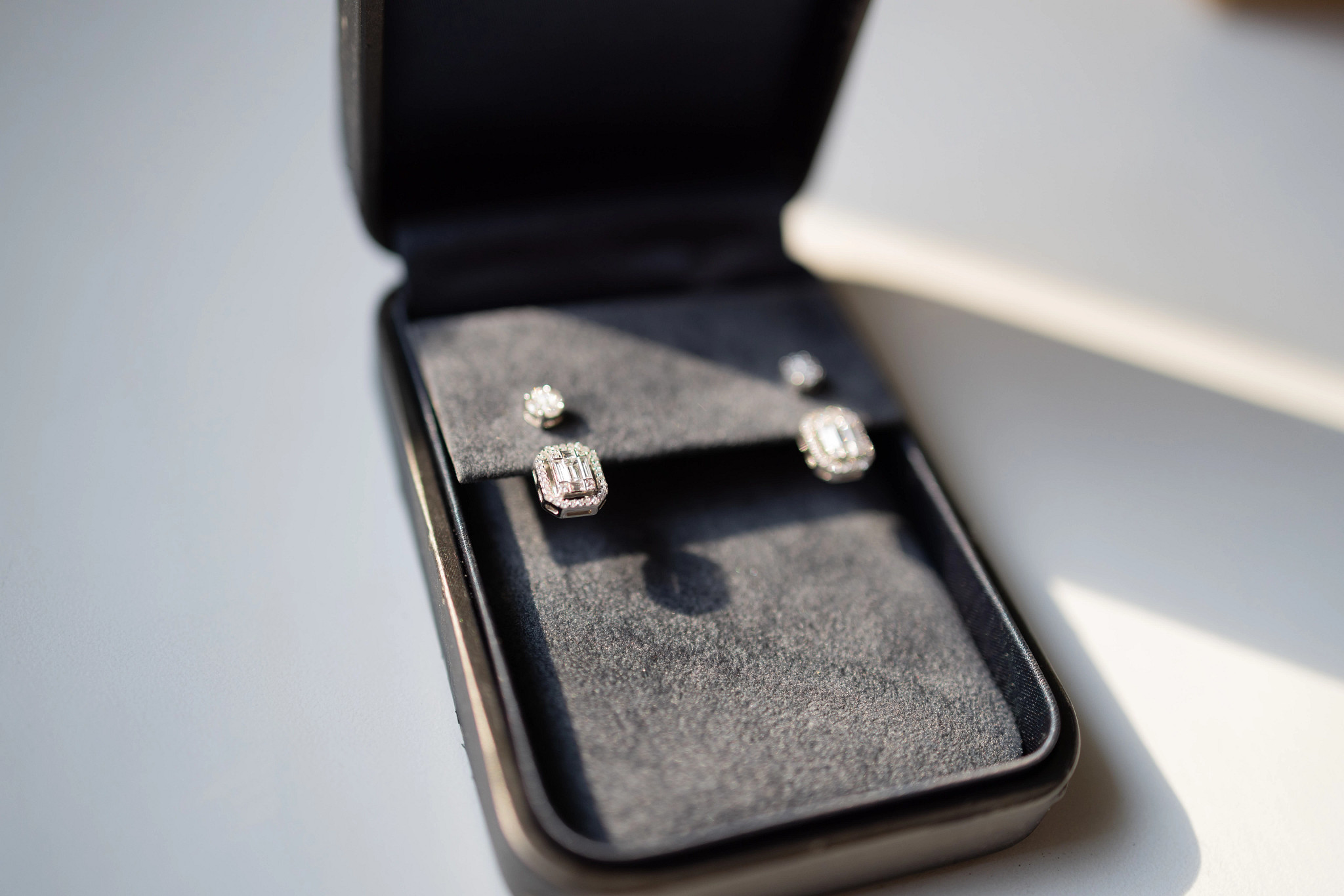
Shopping is the No. 2 leisure activity for overseas travelers, according to the International Trade Association.
According to a recent study by Jewelers Mutual, 40% of those surveyed had purchased jewelry while traveling in the last 12 months. But when it comes to buying jewelry abroad, what feels special in the moment can sometimes become an expensive regret.
Studies show travelers shopping for jewelry in popular destinations like Cozumel and Key West were frequently overcharged and misled about quality.
Working with a certified gemologist, the team found that items were often overpriced by an average of $725 and their value was overstated.
So how do you make that dream purchase on vacation and still protect yourself from common jewelry-buying mistakes?
How to safely buy jewelry while traveling
Traveling offers a unique opportunity to discover jewelry that holds a story, something special to remember your adventures, or even mark a life-changing moment. But when emotions are high and memories are being made, it’s easy to get swept up in the excitement. Before you make a purchase, here’s how to ensure you’re bringing home an authentic piece you’ll always cherish.
1. Examine the craftsmanship
Run your fingers over the piece. Authentic jewelry will have smooth edges and secure settings; stones shouldn’t feel loose. Check clasps, prongs, and fastenings—they should feel sturdy, never flimsy or unfinished. Hallmarks or stamps (like “14K” for gold or “925” for silver) are good signs, but not a guarantee of authenticity.
Have time for additional research? Sift through these helpful sites and look for any instances of deceit:
2. Ask for documentation
A reputable jeweler should provide a detailed receipt, a certificate of authenticity, or a grading report if you’re purchasing gemstones or diamonds. Review these documents carefully and verify their legitimacy. Official documentation should list the materials, gemstone types, carat weights, and any treatments or enhancements.
3. Know the seller's reputation
Seek out established shops with strong reviews or recommendations, ideally from travel guides or trusted hotel concierges. Avoid buying from street vendors, open-air markets, or anyone who pressures you to rush your decision.
4. Watch for red flags of counterfeit pieces
- Prices that seem too good to be true
- Vague or missing documentation
- Poor finishing, uneven prongs, discolored metals, or cloudy stones
- Sellers unwilling to answer questions or let you inspect items closely
- Genuine jewelers are transparent about the sourcing, quality, and grading of their pieces.
5. Ask questions and trust your instincts
Inquire about the origin of the piece, the materials used, and their return policy. If answers sound rehearsed or inconsistent, walk away. Trust your intuition; if something doesn’t feel right, keep looking.
6. Protect your purchase
Once you’ve found something meaningful, take clear photos of the piece and any certification. This will help with protecting your treasure once you’re home, whether for appraisal, insurance, or simply recounting the story behind your new keepsake. Jewelry bought on your travels can represent the moments and milestones that matter most. By taking a few smart precautions, you can ensure you’re bringing home a genuine reminder of your journey, one that lasts for every chapter ahead.
Buying jewelry on vacation marks a life moment; an engagement, special anniversary, or simply a celebration of your journey together.
These travel memories deserve something that will last, not a regret on your credit card statement. With foreign stores, different standards, and the excitement of the trip, it’s easy to get swept up. But with a few precautions, you can find a piece you love and buy with confidence.
Is jewelry cheaper at the airport?
Another frequent place for making jewelry purchases while traveling? The airport.
Airport jewelry shops may seem convenient and sometimes advertise “duty-free” deals, but don’t count on major savings. While you might save on local sales tax, prices at airport shops are often equal to—or even higher than—what you’d find at established retailers outside the airport. Selection is often limited, and discounts are usually offset by higher base prices or fewer protections if you need to return the item later. In most cases, airport jewelry isn’t cheaper and rarely offers the value or guarantees you’d want for a significant purchase.
How to protect your jewelry while traveling
Whether you’re shopping abroad or bringing jewelry from home, keeping your pieces safe should be part of every trip. Over 58% of travelers who purchased jewelry on their trip, wore that same jewelry home according to a recent Jewelers Mutual travel study. Jewelry is most vulnerable to loss or theft when it’s out and about and not safely stored.
Follow the 2-1-1 rule to minimize risk:
- 2 pairs of earrings
- 1 necklace
- 1 ring or statement piece
This keeps your travel jewelry simple and manageable, so you can mix and match outfits without tracking too many valuables.
Additional safety habits:
- Leave irreplaceable or sentimental pieces at home
- Choose travel jewelry (faux diamonds or simple styles) for lower risk
- Always carry jewelry in your carry-on, not checked luggage
- Use the hotel safe when you’re not wearing your pieces
- Avoid wearing valuable items in crowded or unfamiliar settings
- Consider jewelry insurance to protect against loss, theft, or accidental damage
Protect your travel purchases with a Jewelry Insurance policy
If any offer feels too good to be true, trust your instincts. The most meaningful jewelry purchase is one you truly love at a price you’ll never regret, no matter its appraised value.
Shopping with care lets you take those travel memories home feeling secure. Jewelry insurance from Jewelers Mutual Group covers loss, theft, and damage.
Discover how affordable protecting your treasured memories can be; get a personalized jewelry insurance quote today.