Lapidary art is the more technical term for the skilled craft of shaping and refining stones, gems and minerals into beautiful pieces. While the word “lapidary” may sound specialized, it actually encompasses a surprisingly wide range of artistic and practical techniques used by both seasoned professionals and hobbyists who make jewelry and other creative pieces. From simple polished rocks to intricately faceted diamonds, lapidary work is the backbone of many jewelry and decorative art pieces. Keep reading as we introduce you to the world of lapidary art, what lapidarists do and the core techniques that define this centuries-old craft.
Lapidary meaning: what is lapidary?
Lapidary refers to the art and science of cutting, shaping, polishing or engraving stones and gemstones. Although many people associate lapidary only with jewelry, the term covers a range of practices including cabbing, faceting, carving and tumbling. Broadly speaking, lapidary encapsulates any method of turning rough rock into a refined, intentional form. Other terms often used interchangeably with “lapidary” include stonecutting or gem cutting.
The definition of a lapidarist, sometimes called a lapidary artist, is the person who performs these stone-shaping tasks. Becoming a lapidarist doesn’t require a formal degree, but it does call for technical knowledge, practice and some patience. Many hobby lapidarists begin with basic tumbling or “cabbing” (defined below) and gradually expand into more advanced methods as they gain hands-on experience.
Lapidary is unique because it mixes creativity and science, with advanced lapidary artists training for several years to master precision faceting or intricate carving. These disciplines require artistic talent and a fundamental understanding of gemstone structure and behavior. Every stone responds differently to tools, pressure and polishing. This makes lapidary a lifelong craft in which even experienced artists continually improve their techniques.
What are the different lapidary techniques?
Lapidary includes several specialized techniques, each producing distinct results. Below are the four primary lapidary disciplines most commonly practiced today.
Cabbing
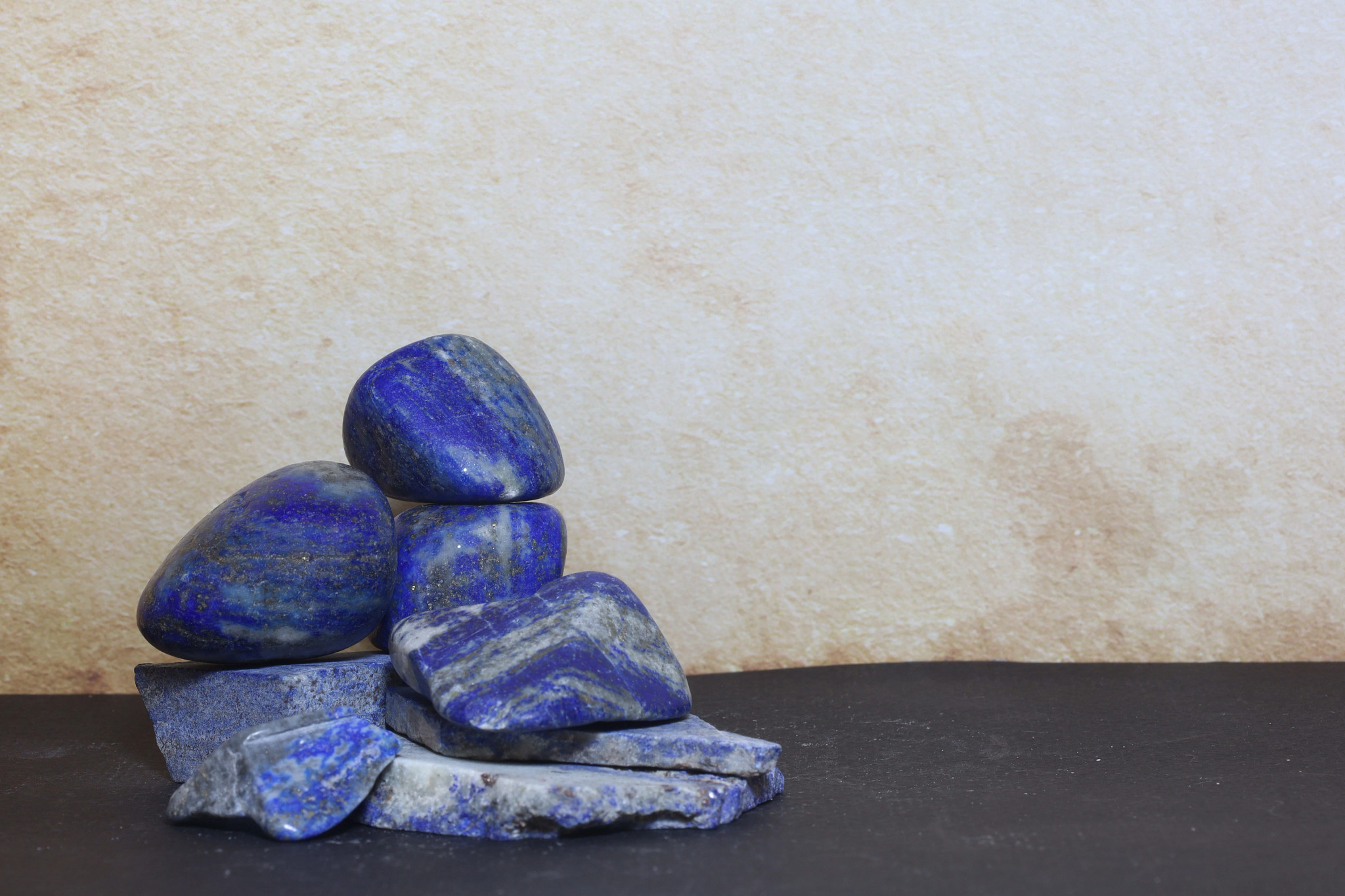
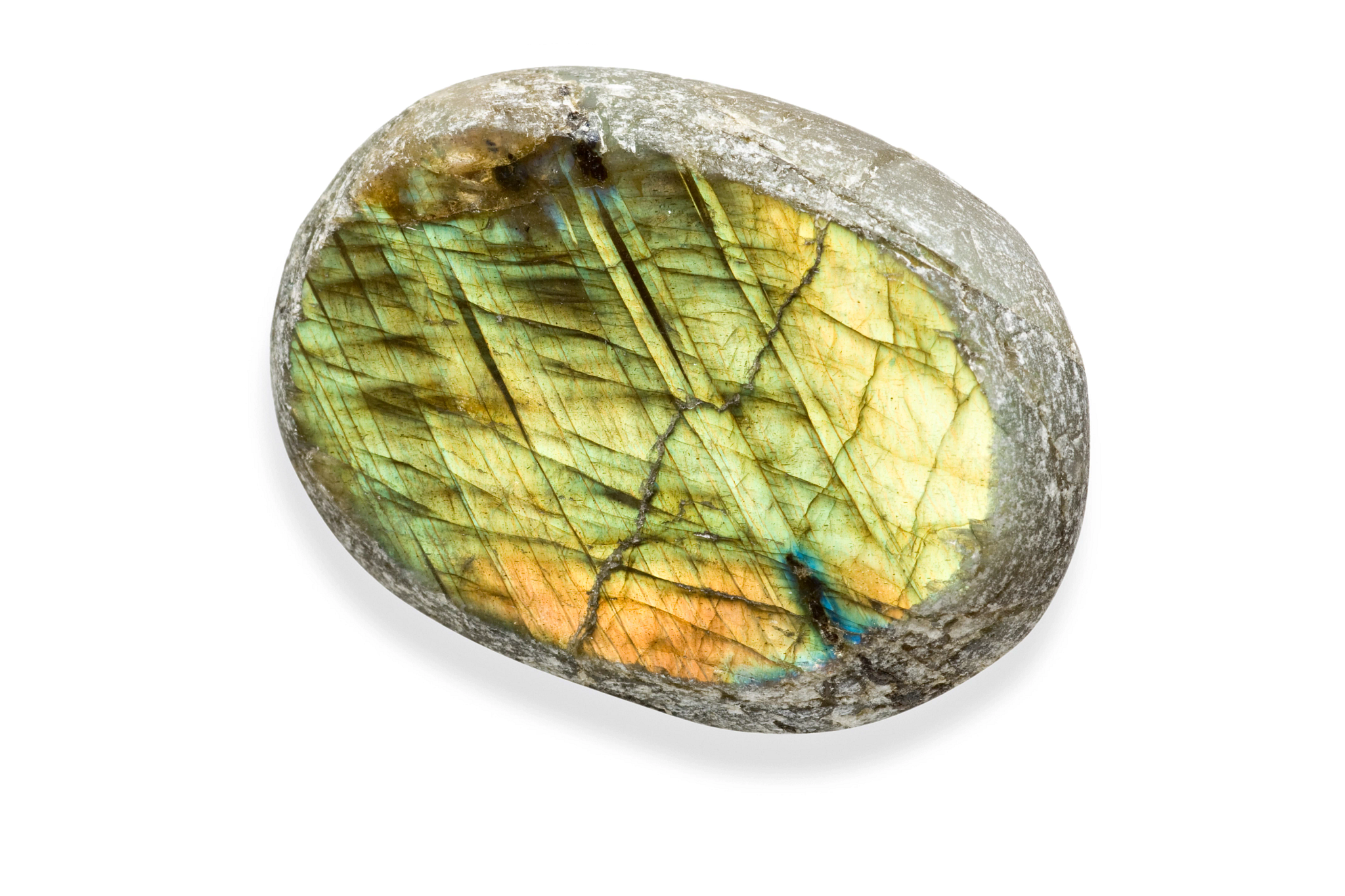
Cabbing is one of the foundational skills in lapidary art, especially for new lapidary artists learning control and shaping. Cabbing involves shaping a stone into a smooth, polished form known as a cabochon. While cabochons are often domed, they don’t have to be. Some stones are intentionally cut with a flat top, especially those with strong inclusions, patterns or designs that show best without curvature.
Cabochons are typically used in rings, pendants and brooches. The process begins with selecting a slab of gemstone and using a trim saw or coarse grinding wheel to outline the basic shape. The stone is then refined on grinding wheels of increasing fineness until the desired shape is achieved.
Cabbing is a favorite of hobby lapidarists and professional lapidary artists, ideal for opaque or patterned stones, such as agate and jasper. The rounded surface of cabochons highlights these stones' natural colors and unique internal patterns. It's also the technique many beginners start with because it's a bit more forgiving and doesn't require the exact precision required by faceting. Be extra careful with soft or porous gemstones, such as turquoise and opal, which can scratch, chip or absorb polishing compounds if handled too aggressively.
Gemstone tumbling
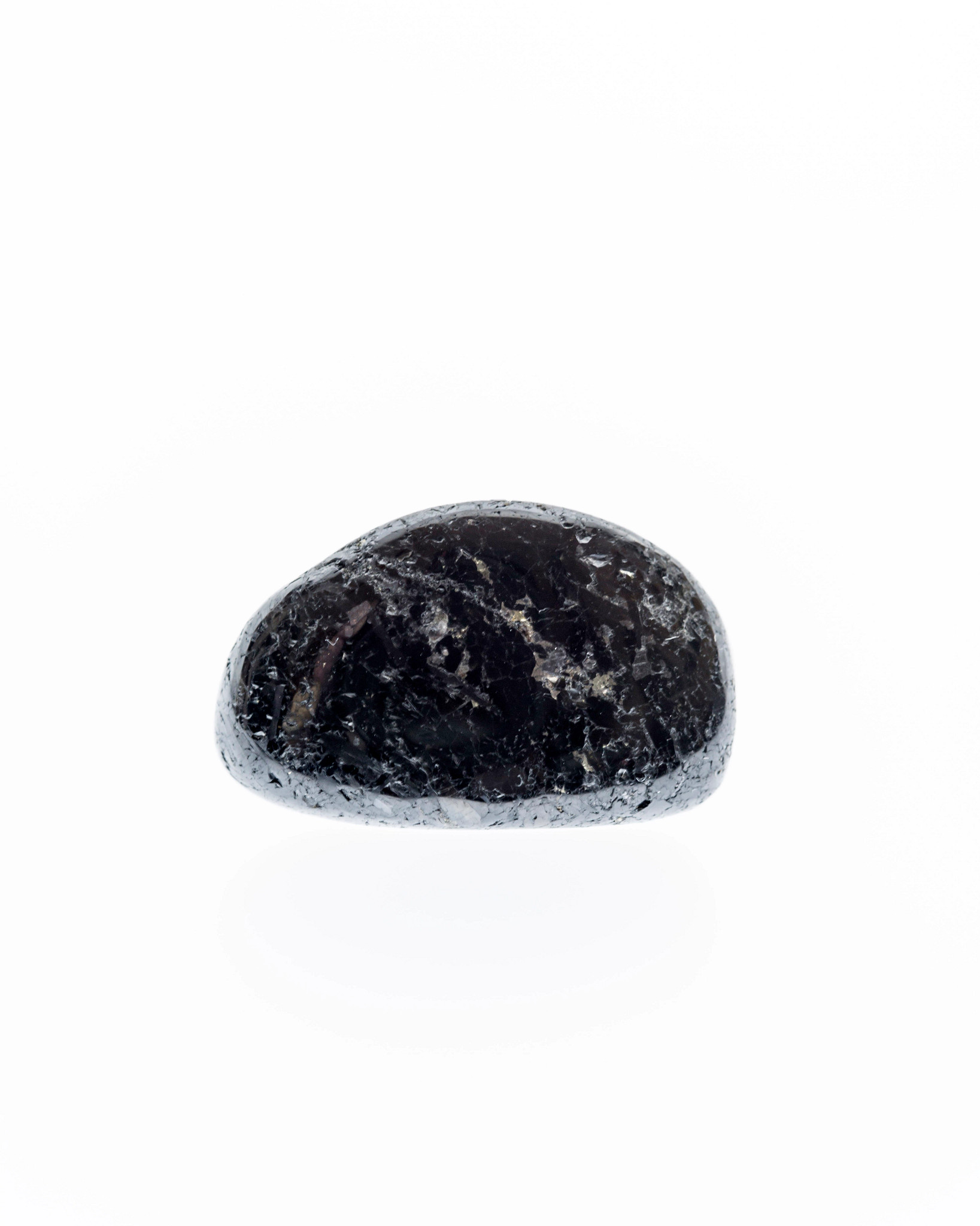
Gemstone tumbling is the most accessible lapidary technique and is where many people first experience lapidary work hands-on. It is popular among families and hobby jewelry makers. In tumbling, rough stones are placed in a rotating or vibratory tumbler along with water, abrasives and polishing compounds. Over a series of stages, the stones gradually become smooth and glossy, mimicking the natural polish that a river or ocean might create over hundreds of years.
This technique is ideal for mixed batches of lower-hardness stones, beach pebbles and small rough gems. Tumbling teaches beginners how stones respond to abrasion and is a great entry point into understanding the basics of lapidary. Mastering the timing, grit progression (moving from coarse to finer grits) and stone hardness matching (tumbling stones of similar hardness so they wear evenly) takes some practice, but it can yield beautiful results.
Gem faceting
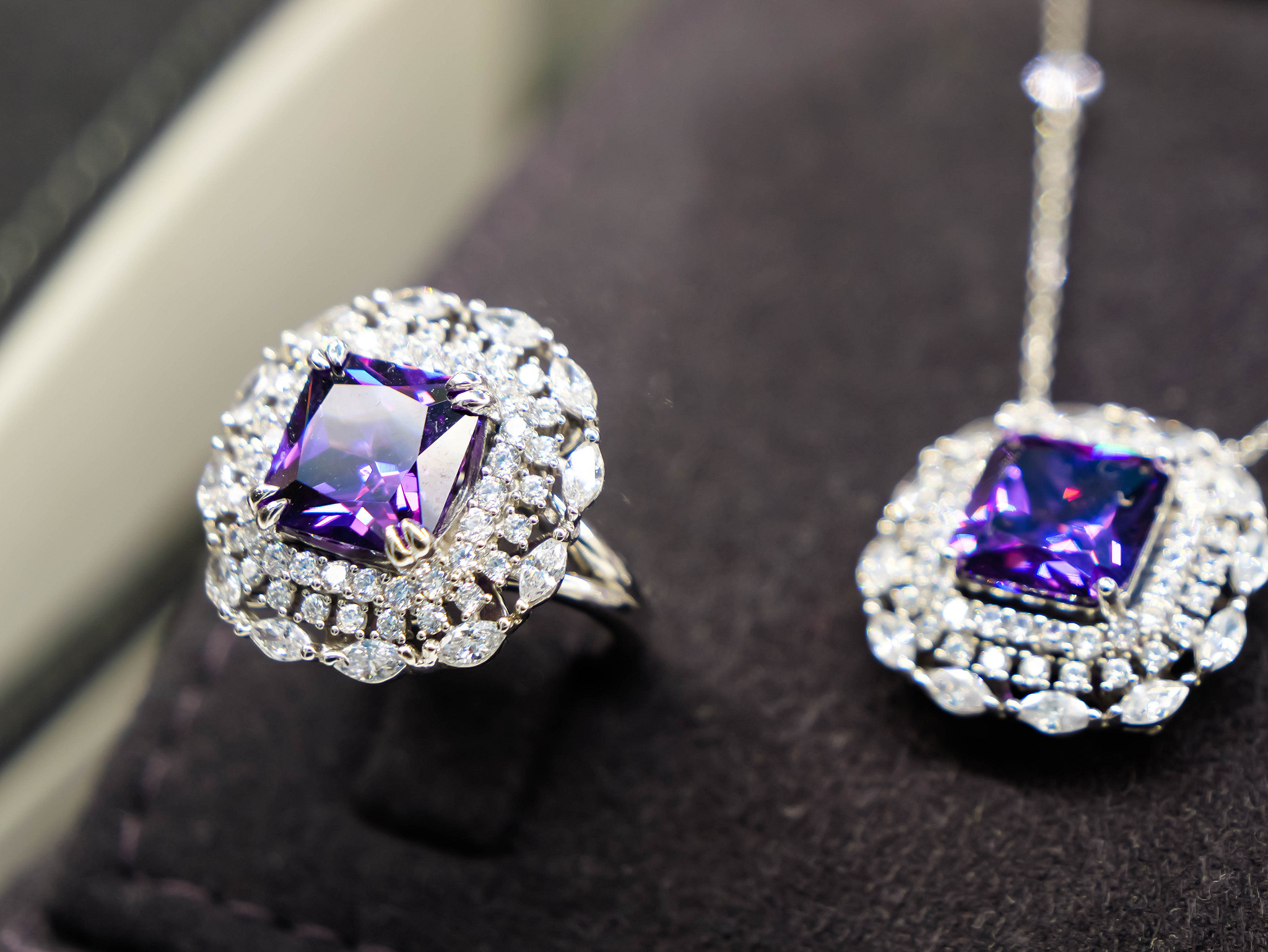
Gem faceting is the highly technical lapidary art of precisely cutting gemstones along geometric planes, called facets. When lapidarists perform this process on transparent gemstones, it helps maximize their brilliance. Specialized machines allow lapidarists to have exact control over the angles and orientations of their cuts. Gem faceting requires an understanding of crystallography, since the angles and alignment determine how the stone will reflect and refract light.
Faceting is used on a wide range of gems, from quartz, garnet, beryl and topaz to corundum varieties like sapphire and ruby. Of course, the most commonly faceted gems are diamonds, with each diamond cut carefully shaped and angled by lapidarists to showcase the stone's brilliance.
Carving
Carving is the oldest form of lapidary art and is still one of the most expressive. Unlike cabbing or faceting, carving is the process of sculpting gemstones into shapes, figures, beads, cameos, or ornamental objects. Carving may involve simple lines or extremely detailed, three-dimensional shapes.
Carvers use diamond-tipped tools, rotary systems and a variety of burs (tiny rotary cutters for fine carving work) to remove material slowly. Because stones have natural cleavage planes and varying hardness, carving requires a careful hand and a solid understanding of a stone's structure. Popular materials for carving include colored gemstones like jade, quartz, malachite and agate, though nearly any stone can be carved with the right equipment and skill.
Lapidary FAQs
Lapidary is a surprisingly accessible craft, and beginners often have similar questions as they explore the tools, techniques and creative possibilities. Here are some of the most common questions new artists ask.
Is gemstone tumbling family friendly?
Yes, gemstone tumbling is one of the most family-friendly entry points into lapidary. The equipment is straightforward, the process is mostly hands-off, and kids love watching rough stones transform into shiny, colorful gems. Adult supervision is needed for loading the tumbler and handling the grit progression process, but once the machine is running, it's very safe. The gradual polishing process helps teach kids patience and introduces them to basic earth science concepts. Many families use tumbling as a fun, low-pressure way to explore creativity together.
How can I become a lapidary artist?
Becoming a lapidary artist typically starts with a little curiosity and a lot of experimenting. Most people begin with beginner-friendly techniques like cabbing or tumbling, then gradually expand as they learn more about tools, stones and polishing methods. Local lapidary clubs, gem societies and community workshops can provide mentorship, equipment access and hands-on guidance. Online classes and beginner lapidary tool kits also make it easy to start from home. You can specialize in an area you enjoy, such as faceting, carving or cabbing, and eventually build a personal portfolio or small business if you choose.
What are the types of gem carving?
Gem carving has several distinct categories depending on the style and depth of the design. Intaglios feature designs cut into the surface, often used for seals or signet rings. Cameo carvings do the opposite, creating a raised design by removing the background material. Sculptural carving transforms the stone into three-dimensional figures or miniature objects, requiring a bit more skill and planning. Bead or ornament carving shapes stones into pendants, beads or decorative accents. Each type of carving calls for different tools and techniques, but all require a strong focus on precision and detail.
Protect your valuable jewelry with Jewelers Mutual
Protecting your valuable jewelry is essential. A personal jewelry insurance policy from Jewelers Mutual offers coverage for loss, damage and disappearance, protections that some homeowners insurance policies don’t always provide. Click the button below to check your rate today.