Looking to understand the allure of Lapis Lazuli? This deep blue gemstone has been prized for over 6,000 years for its rich color, symbolism, and use in fine jewelry, art, and spiritual practice. Lapis Lazuli, sometimes simply called "Lapis," is essentially a blue rock (not a mineral) that is composed of other minerals, such as blue lazurite and golden pyrite, forming a complex gem. But this isn’t just any blue rock—it’s the deep-blue gemstone that has adorned pharaohs' tombs and inspired some of history's greatest artists. Bold, cosmic, and rich with symbolism, Lapis Lazuli's meaning has caught the attention of cultures for millennia.
From Cleopatra’s eye shadow to Michelangelo’s paint palette (and… maybe your next jewelry purchase?!), we’re diving into what makes Lapis Lazuli so legendary, and why it continues to shine today.
Physical properties of lapis lazuli gemstones
The properties of Lapis Lazuli gemstones include their unique composition, rich color, and moderate hardness, each of which contributes to their lasting appeal in jewelry and art.
Hardness
The hardness of Lapis Lazuli falls around 5 to 5.5 on the Mohs scale, which means it's softer than many popular gemstones like sapphires or quartz. Due to its softness, Lapis is best suited for jewelry that isn’t exposed to rough wear and should be handled with care to avoid scratches or chips. To keep your Lapis jewelry looking its best, store it separately and clean it gently with a soft cloth and mild soap.
Color
The most sought-after Lapis Lazuli stones are a rich, royal blue with minimal, white-colored calcite and small specks of golden pyrite, which give the stone its signature starry appearance. Lower-quality Lapis may look more pale or chalky due to a higher content of calcite. That deep ultramarine hue, however, has always been a key factor in determining the value of Lapis stone, and still is today.
Luster
Lapis Lazuli has a soft, waxy to glass-like luster, which gives the stone a natural glow without being too shiny. When Lapis is polished, it can achieve a beautiful, smooth surface that enhances the intensity of its blue color and sparkling inclusions. Unlike the brilliance of faceted gems, Lapis Lazuli's appeal lies in its velvety surface and natural character. This subdued (but still bold!) appearance is why jewelers use it in a variety of jewelry designs.
Where is lapis lazuli found?
Wondering where Lapis Lazuli comes from? The world’s finest Lapis Lazuli can be found in the mountains of Afghanistan, where it has been mined for over 6,000 years. Mines in northeastern Afghanistan have produced stones used by ancient Egyptian royalty and Renaissance artists, with other notable sources including Chile, Russia and the United States (although these stones may vary in color and quality). Afghan Lapis is renowned for its exceptionally deep, even blue color, characterized by minimal calcite content. Today, Afghanistan remains the world’s leading source of high-quality Lapis Lazuli gemstones.
Brief history of lapis lazuli
Some jewelry is considered decorative. Others are considered divine. Lapis Lazuli? Sacred. In Mesopotamia, Lapis was associated with the heavens and used in royal burial ornaments. Across cultures, it became a symbol of protection, truth, and status, often carved into seals, protective pieces and sacred artifacts. In medieval Europe, Lapis continued to signify spiritual power and intellect, frequently adorning religious texts and ceremonial objects like chalices and bishops’ rings. Its transformation from a sacred object to an enduring artistic symbol reveals its powerful presence across human history.
Meaning of lapis lazuli
Lapis Lazuli has traditionally been associated with wisdom, truth, and spiritual enlightenment, with many ancient civilizations believing it offered protection and a connection to the divine. In metaphysical circles, Lapis is considered a stone of communication, helping individuals speak their truth with confidence. Overall, Lapis Lazuli carries a rich legacy of meaning, blending beauty with profound spiritual and mental significance.
Lapis lazuli in jewelry
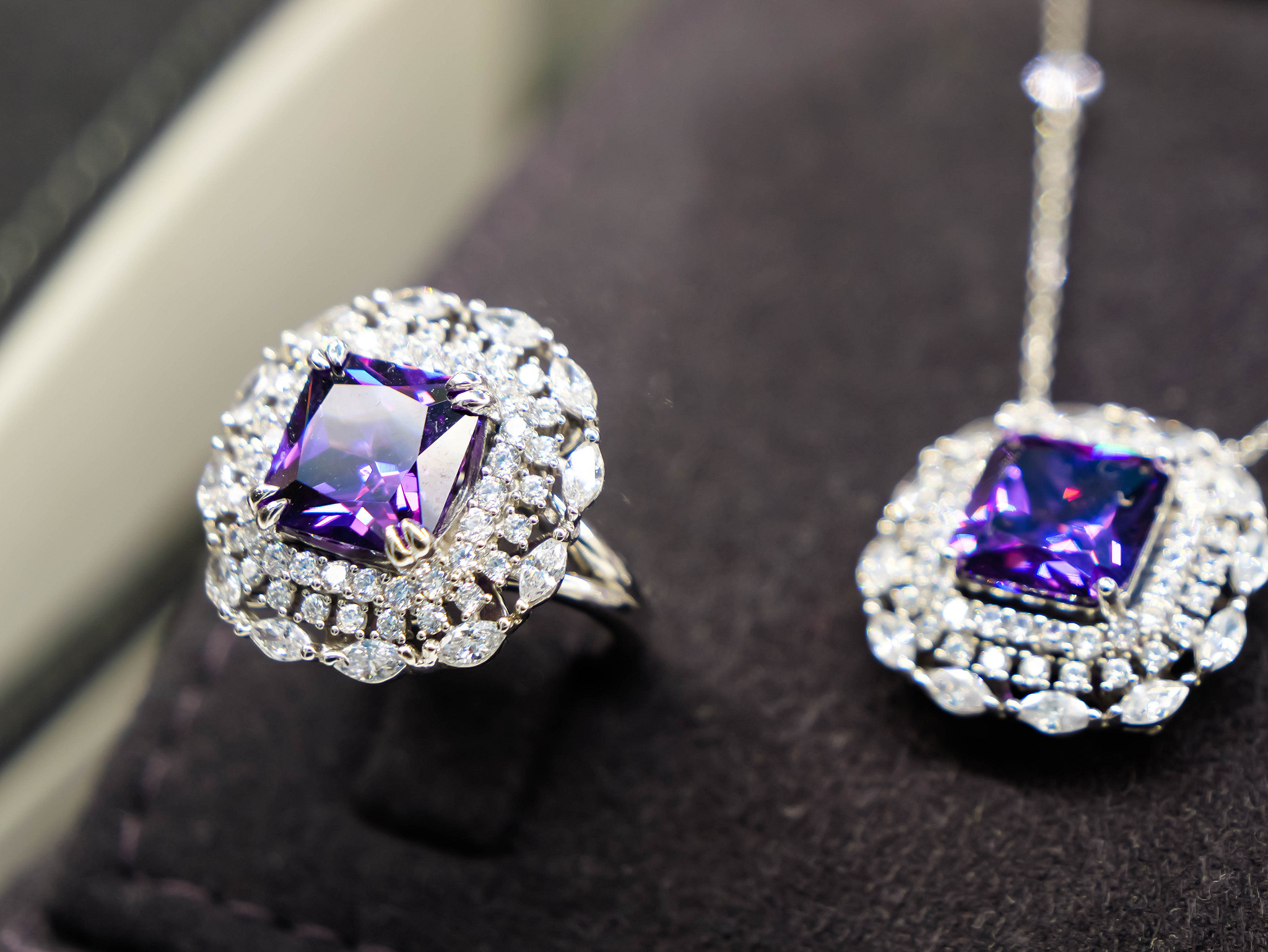
Lapis Lazuli is widely used in jewelry designs thanks to its vibrant blue color and striking appearance. It’s often cut into cabochons (smooth, rounded stones), beads or inlays, then set in rings, necklaces, bracelets and earrings. It also pairs beautifully with gold or silver, which enhances its rich hue. Lapis Lazuli’s historical significance also adds a layer of meaning to most pieces, making them more than just decorative. Because of its softness compared to other gemstones, Lapis Lazuli is usually used in pieces that are less exposed to rough wear.
How to identify real lapis lazuli
Check for flecks
To identify genuine Lapis Lazuli, start by examining its color. Authentic stones typically have a deep, royal blue hue with flecks of the gold-colored pyrite mentioned above. These metallic specks distinguish genuine Lapis from dyed imitations or synthetic versions.
Look for imperfections
Real Lapis is not perfectly uniform either. It often includes small, white calcite patches and natural variations.
Assess temperature and weight
When touched, the stone should feel cool and solid, not lightweight or overly smooth like plastic or glass.
Check for certification
When purchasing a new piece of Lapis jewelry, consider selecting pieces that come with a gemological certificate to ensure their authenticity.
How to care for lapis lazuli
Lapis Lazuli is a relatively soft and porous stone, so it requires gentle care to keep it in tip-top shape. To clean Lapis Lazuli, use lukewarm water, a soft cloth and mild soap. Be sure to avoid harsh chemicals and ultrasonic cleaners, as they can damage the surface of Lapis. Never soak Lapis Lazuli for long periods, as it may absorb water and become discolored or weakened. After cleaning, gently pat your Lapis dry with a soft towel. It's recommended you store Lapis Lazuli jewelry separately in a fabric-lined box or pouch to prevent scratches from harder gemstones. You should also avoid exposing Lapis Lazuli to extreme heat, perfumes, or acidic substances, as these can alter its color and texture. With proper care, Lapis Lazuli can keep its rich blue glow and stay beautiful for years.
Lapis lazuli in art and culture
Lapis Lazuli’s influence reaches far beyond the world of jewelry. This gem has left its mark on art, history and culture for centuries. During the Renaissance, Lapis was ground into a vivid ultramarine pigment so precious it was worth more than gold! Artists like Michelangelo and Vermeer reserved their Lapis paint for the most important elements of their paintings, such as the robes of the Virgin Mary. In ancient Egypt, Lapis adorned the burial masks of pharaohs and was believed to provide spiritual guidance in the afterlife. The stone also appears in Sumerian, Persian and Greco-Roman art as a symbol of status, truth and divine favor.
Metaphysical and healing properties
In addition to its historical and artistic value, Lapis Lazuli is highly regarded in the metaphysical world for its supposed healing and spiritual benefits. Believers claim that this stone stimulates the third eye and throat chakras, thereby enhancing intuition, self-awareness, and honest communication. It's often used in meditation practices to promote clarity of thought and to deepen spiritual insight. Some wear Lapis to protect against negative energies and to foster inner peace. Emotionally, it's said to encourage self-expression, strengthen relationships and dissolve emotional blockages. Though not scientifically proven, many are drawn to Lapis for its symbolic resonance and calming, confident energy.
Modern uses and styling tips
Lapis Lazuli may have ancient roots, but it’s also made a strong comeback in modern fashion and interior design. Jewelry designers are embracing its bold, celestial color for statement pieces that feel both earthy and elegant. Whether it’s a chunky bohemian necklace or a sleek gold-accented ring, Lapis pairs beautifully with both neutral tones and vibrant hues. In home décor, polished Lapis objects like bookends, coasters and even countertops are gaining popularity for their luxurious and timeless look. If you’re styling Lapis jewelry, consider pairing it with other natural materials like leather or wood for a grounded look, or mixing it with gold for a more refined, regal feel.
Insure your lapis lazuli with Jewelers Mutual
Protecting your Lapis Lazuli jewelry with insurance from Jewelers Mutual ensures peace of mind against loss, theft, damage or disappearance. Jewelers Mutual's specialized coverage is tailored specifically for fine jewelry, going further than what a typical homeowners policy covers. You can wear your Lapis Lazuli pieces confidently wherever you go. Jewelers Mutual also offers easy claims processing and expert support, making it simple to safeguard your treasured items. Check your rate here.