You’ve likely heard of the French revival or even the French Renaissance, but you may be less aware of the French Rococo jewelry era. But if you like playful asymmetry, delicate pastel palettes and romantic floral designs, French Rococo jewelry may just be your new best friend. This period saw an important shift in the history of jewelry, moving away from heavy, formal styles toward a lighter, more free-spirited vibe. Read on to discover how the Rococo style influenced the treasures we still admire today.
What was the french rococo era?
The French Rococo era was an artistic movement that emerged in Paris during the early 18th century, from around the 1730s through the 1760s. This era was a response against the grand, rigid, dark and symmetrical aesthetic of the previous Baroque period. It is remembered for its “L’art de vivre" (the art of living), which focused on pleasure and playfulness rather than on previous religious or more somber themes. As the wealthy French moved away from the formal Court of Versailles and lived in more intimate townhomes, there was a shift toward a lighter, more graceful aesthetic that embraced curved lines and organic shapes.
The defining characteristics of rococo jewelry
Before we look at specific pieces, it is important to understand the flavor of this era. Jewelry during this time was less about showing off and more about reflecting the wearer’s own elegance and appreciation for nature. The word “Rococo” comes from the French word rocaille, which refers to the ornate shell and rock work popular in garden landscaping at the time. With that new knowledge in mind, let’s explore some of the defining characteristics of the French Rococo style.
Iconic rococo motifs
Nature was the primary inspiration for jewelers during the Rococo period. However, designs focused on the charm of a manicured garden: delicate flowers, vines, butterflies and feathers rather than wild, untamed nature. Bows and “true lover’s knots” were also very popular, often used in pendants and earrings. These designs were meant to feel light and airy and provide movement as if the jewelry had just been tied on with a silk ribbon.
The rise of asymmetry and the 's-curve'
One of the largest shifts in Rococo jewelry was the use of asymmetry. Rather than perfectly mirrored sides, designers used S-curve and C-curve designs, mimicking the natural swirl of seashells or waves. This curvy design gave pieces a more organic flow that had never been seen in fine jewelry before. By moving away from rigid balance, Rococo-era jewelry makers were able to create pieces that felt unique, sculptured and alive.
Pastel palettes and delicate enameling techniques
Baroque era colors and designs were heavy and deep. The Rococo era, on the other hand, was light, airy and delicate, leaning heavily into a palette of light pinks, baby blues, mint greens and creamy yellows. To bring these colors to life in jewelry, enameling was often used, applying thin layers of colored glass to metal surfaces. This allowed for intricate, multicolored designs that paired well with pale silk fabrics and powdered wigs, popular fashion staples at the time.
Precious materials of the rococo period
The Rococo period saw a surge in the availability of new gemstones and improvements in metalworking techniques that enabled more delicate settings. Here is a look at what made these pieces sparkle:
Diamonds
Diamonds were the stars of the evening during the French Rococo era, especially as candlelit balls became the standard social event. New diamond-cutting techniques, such as the early brilliant cut, were developed specifically to maximize a stone's brilliance under the flickering light. These precious gemstones were often set in silver to enhance their colorless brilliance. This technique helped define the high-end look of the century.
Pearls
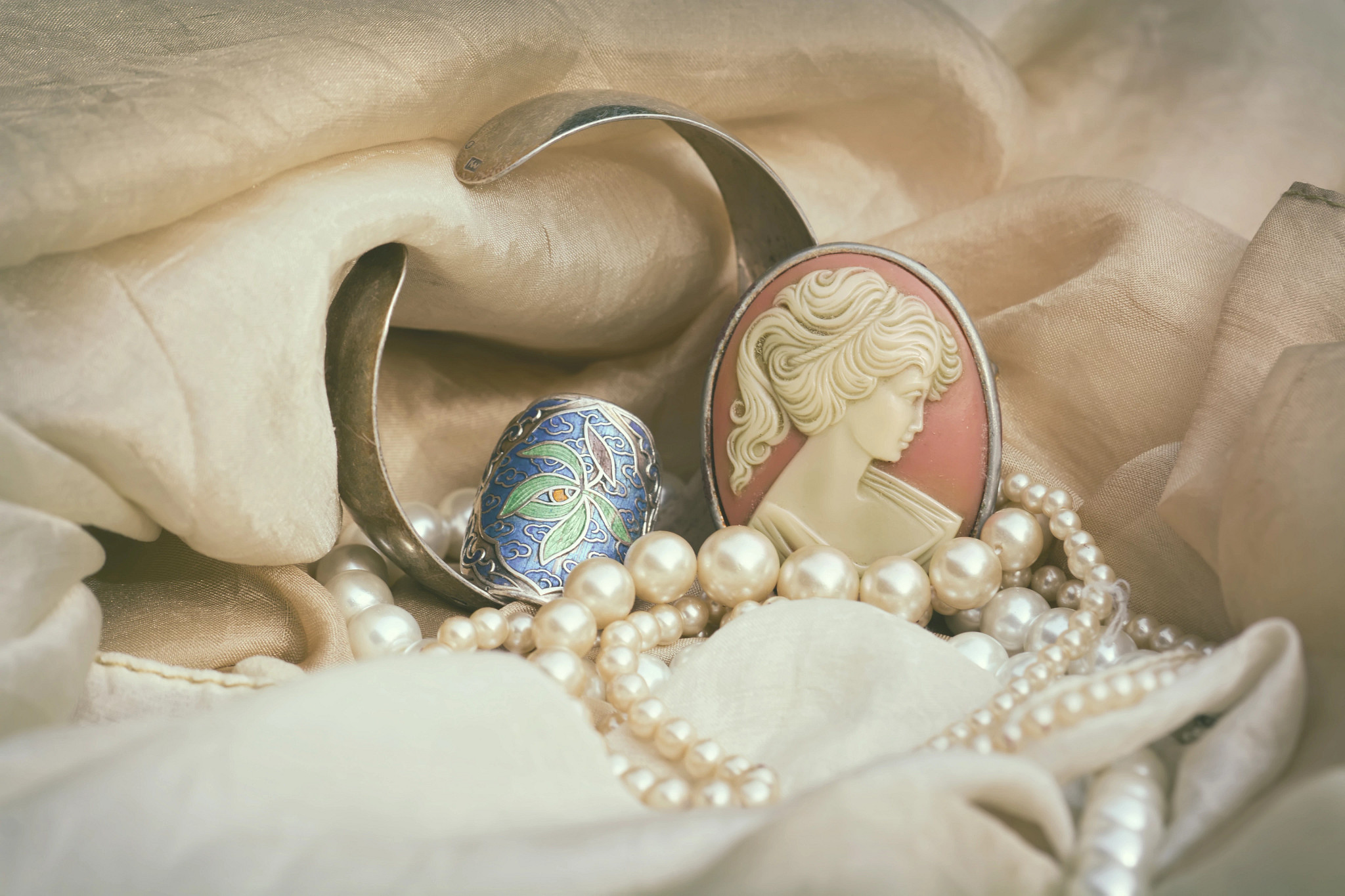
While women used diamonds to light up the night with sparkles and brilliance, they wore pearls during the day. Creamy, natural pearls were often used as drops for earrings or woven into multi-strand chokers. During this time, pearls were symbols of purity and luxury, frequently paired with pastel enamels to accentuate that soft Rococo aesthetic.
Colorful gemstones
While the era loved its “white” look, colorful gemstones like emeralds, rubies and sapphires were frequently used to add some vibrancy. Semi-precious stones like chrysoberyl and topaz became quite popular for their unique yellow and green hues. These stones were often backed with colored foil inside their settings to make the colors appear even more vivid and uniform.
Silver-topped gold
One of the most distinct looks of this era was the use of silver-topped gold. While gold was somewhat sturdy, its yellow tint could dull the appearance of diamonds, so jewelers began layering a thin sheet of silver over a gold base. The silver provided the white front necessary for the stones to shine, while the gold back prevented the silver from tarnishing against the wearer's skin or clothing.
Popular types of rococo jewelry styles
The Rococo style jewelry of the mid-1700s was designed to complement the low necklines and silk gowns of the era. One of the most iconic pieces was the Sévigné bodice brooch, a large, ribbon-shaped bow worn at the center of the chest. We also saw the rise of girandole earrings, which featured a central stud supporting three dangling pear-shaped drops. For the neck, the esclavage necklace, consisting of multiple swags of chains or beads, was the height of sophistication.
Influential figures and their impact on rococo jewelry trends
So, who influenced these trends? While they weren’t influencers posting their favorite jewelry on social media, the following "influencers" helped shape the trends of the Rococo jewelry era.
Madame de pompadour
As the official chief mistress of King Louis XV, Madame de Pompadour was arguably the most powerful woman in France in matters of culture and the arts. She fully embodied the French Rococo style, favoring designs like ribbons, flowers and even the pompadour gemstone cut (more commonly known as the marquise cut) that was named after her. Her personal taste for delicate, feminine and highly intellectual art steered the entire French court away from the heavy styles of the past and toward the breezy elegance we associate with the era today.
Marie antoinette
Although she arrived toward the end of the period, marie antoinette’s extravagant taste became the ultimate symbol of rococo fashion and excess. with a love of pearls and diamonds, she was known for incredibly large, ornate hair ornaments that often featured gemstones and feathers. she typically wore a lot of jewelry at once, turning public appearances into high-fashion events.
King louis xv
King Louis XV was also extremely influential in making the Rococo period a golden age for jewelry. Unlike his predecessor, who loved massive, formal displays of power, Louis XV preferred a more relaxed and private social life. He focused on creating intimate spaces within Versailles, such as his private "cabinets" for conversation and small parties rather than just royal events. He funded the best artists and jewelers in Paris to decorate these spaces and create gifts for his inner circle, helping Paris become the world capital of luxury and design.
The decline of rococo fashion
The world saw a massive cultural and political shift toward the end of the 18th century. As the French Revolution approached, the “more is more” extravagance of the French Rococo style came to symbolize the monarchy's excess, making it dangerous to wear such flashy items in public. Slowly, the curvy lines and pastel palettes were replaced by Neoclassicism, a style that favored the rigid symmetry, simple lines and strong themes of ancient Greece and Rome. By the time Napoleon showed up, women had traded the airy bows and butterfly designs of the Rococo period for heavy gold and laurel wreaths.
Rococo jewelry in the present day
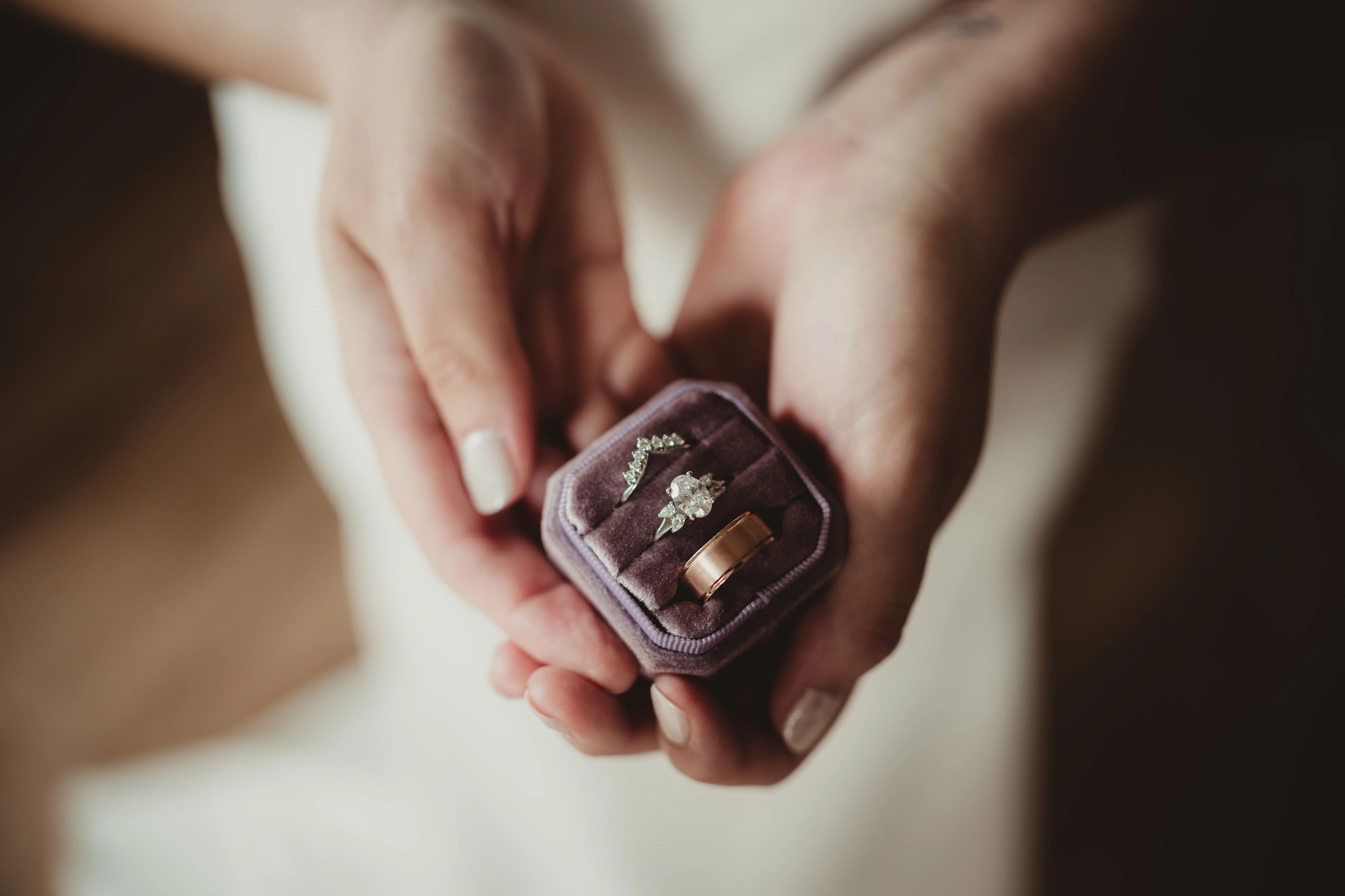
While we may not be wearing powdered wigs today, the influence of the Rococo time period is alive and well, especially in modern bridal and high-fashion collections. Asymmetrical engagement rings and floral-inspired hidden halos closely resemble the 18th-century decorative designs. This style saw a major resurgence in the mid-20th century and again recently with the coquette and royalcore aesthetics trending on social media. If you’ve inherited a few pieces of heirloom jewelry with this aesthetic, you just might own a genuine Rococo-era jewelry piece! Or, if you’re looking to purchase Rococo jewelry pieces as you build your jewelry collection, look at high-end estate sales or specialty antique dealers who can help you identify authentic 18th-century craftsmanship.
Protect your valuable jewelry with Jewelers Mutual
You want what’s best for your jewelry, from properly cleaning your antique pieces to protecting them with a personal jewelry insurance policy from Jewelers Mutual. It covers loss, theft, damage and disappearance, giving you confidence while you wear your favorite styles. Click the link below to check your rate.