Few pieces of jewelry evoke the antique charm of a cameo, a style that feels as if it were plucked from another era. Picture an oval brooch or pendant featuring a classically inspired female profile, carved in an ivory tone against a warm peach or brown background. It’s the kind of piece you may have seen tucked inside your grandmother’s jewelry box. While long associated with heirlooms, this centuries-old art form is seeing renewed interest today. This guide explores what cameo jewelry is, the materials used to create it, and how to identify and care for these intricately carved pieces.
What is cameo jewelry?
Cameo jewelry features a carved image that rises above the background, giving the piece a sculpted, three-dimensional appearance. This technique is called relief carving. Cameos are often confused with intaglios, where the design is cut into the surface rather than standing out from it. Most traditional cameos show female portraits in profile, though others depict mythological figures, historical scenes or floral motifs. Each carving is essentially a miniature sculpture mounted in gold, silver or another metal and worn as a brooch, pendant, ring, bracelet or pair of earrings.
Most authentic cameos are hand-carved from shell or hardstones (semi-precious gemstones) such as agate, onyx and sardonyx. Other materials, including coral, lava and ceramic have also been used, while modern mass-produced versions may be made from glass, resin or plastic.
The rich history of cameos
Ancient greek and roman origins
Cameos trace their origins to ancient Greece, where artisans carved hardstones such as onyx, agate and sardonyx into raised images of gods, goddesses and mythological heroes (like Zeus or Apollo), along with rulers such as Alexander the Great. These early carvings were often set in rings or pendants and worn as decorative jewelry or protective amulets. The art form flourished under the Roman Empire, where Roman cameos frequently featured portraits of emperors and politicians, as well as narrative scenes from mythology, historical events and daily life. Worn by members of the elite, they signaled wealth, social status and political allegiance.
The renaissance revival of cameos
Cameo jewelry experienced a revival during the Renaissance, when renewed interest in ancient Greek and Roman art inspired artists to carve new cameos in the classical style. Italian artisans, particularly in cities like Florence and Venice, refined the craft of carving hardstones such as sardonyx, agate and onyx. Renaissance cameos often featured mythological and biblical scenes, while others took the form of finely carved portrait busts.
The victorian era: the golden age of cameos
Cameos reached peak popularity during the Victorian era. Queen Victoria herself wore cameo jewelry, including portrait medallions featuring her husband, Prince Albert, helping popularize the style across Europe. Shell became the most common material for Victorian cameos, prized for its natural layers that allowed artisans to carve pale portraits against darker backgrounds. Many of the finest shell cameos were crafted in southern Italy, particularly the town of Torre del Greco near Naples, which became a major center for cameo carving and remains renowned for its craftsmanship today.
Victorian cameos were most often worn as brooches, pendants, and earrings, featuring the now iconic female profile with her hair swept up and a bare or lightly draped shoulder. Other designs included scenes from literature, mythological figures such as Medusa and delicate floral motifs. Some late nineteenth-century pieces also featured cameo habillé, a design in which the carved figure appears to “wear” real jewelry such as tiny necklaces, earrings or crowns, sometimes set with diamonds or other gems. Mourning cameos carved from black stones such as onyx or jet were also popular, worn in remembrance of lost loved ones.
Modern interpretations and contemporary artists
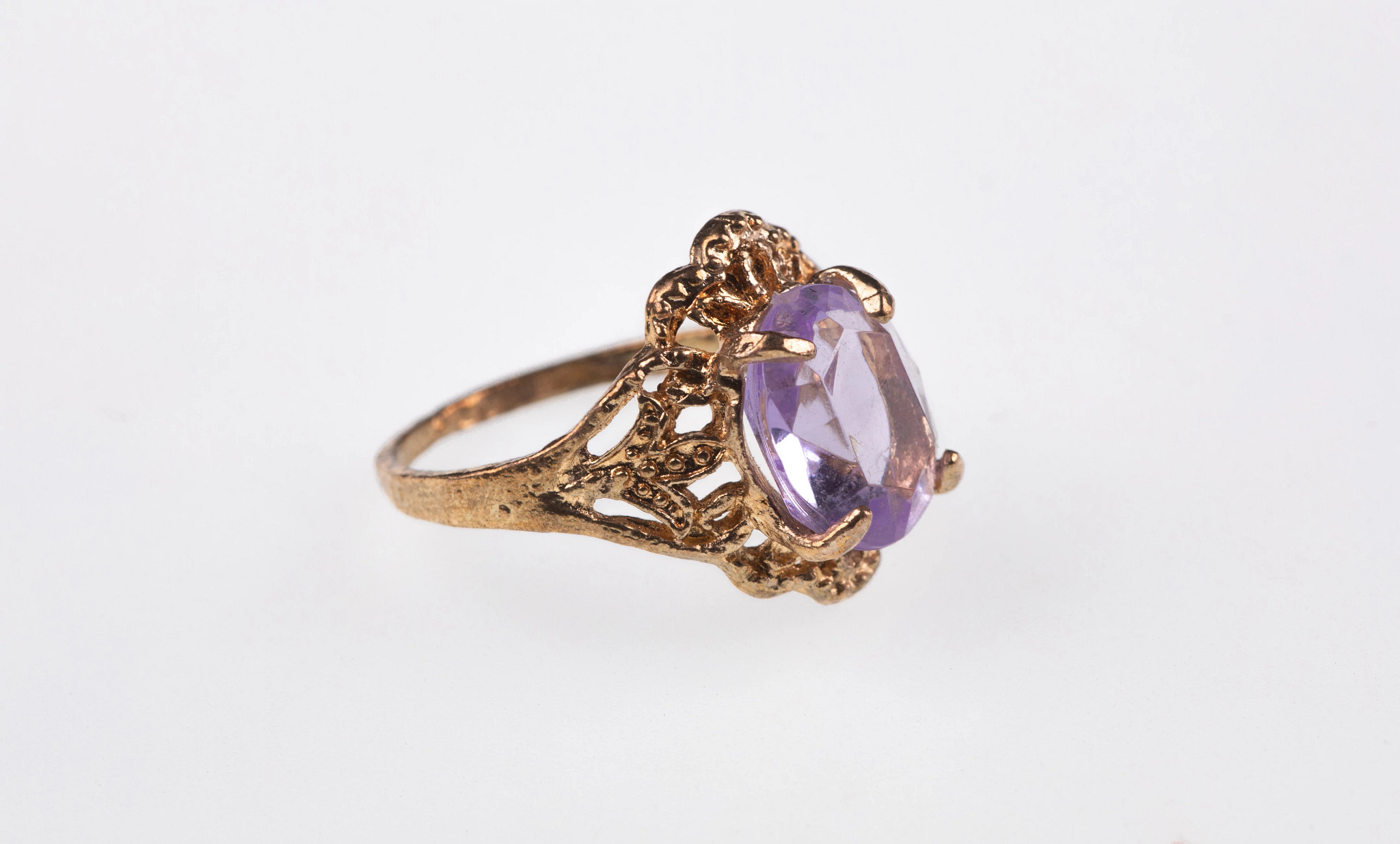
Today, cameo jewelry is being reimagined by designers who blend traditional cameo carving with modern design elements. A renewed fascination with antique and vintage jewelry has helped bring cameos back into the spotlight, alongside timeless pieces such as pearls and signet rings. Contemporary artists are reinterpreting cameos with diamond halos, pavé accents and bold gold settings that emphasize the carved centerpiece. Some are also carved from gems such as turquoise, lapis lazuli and amethyst for a more vibrant look.
Cameos are styled in modern ways, layered with other necklaces, paired with stacking rings or worn as brooches to fasten clothing and create contrast. Celebrities have helped fuel the cameo comeback, from Rihanna’s pearl cameo choker to Cate Blanchett’s dangling sardonyx cameo earrings.
Materials used in cameo jewelry
Shell cameos
Shell cameos are carved from natural shells, most commonly queen conch or helmet shell. These materials contain layers of color, allowing artisans to carve through the surface and reveal a lighter layer beneath. The result is the classic cameo look – an ivory-toned figure set against a deeper pink, peach or brown backdrop. Mother-of-pearl, the iridescent inner layer found in some mollusks, is also occasionally used and creates a soft, creamy sheen. Shell is softer than many gemstones, allowing highly detailed carving.
Stone cameos
Stone cameos are carved from hardstones, particularly banded varieties of chalcedony such as agate, onyx and sardonyx, as well as stones like carnelian, jasper and lapis lazuli. These stones contain alternating bands of color that create a striking contrast in the carving. Sardonyx has long been a favorite for cameos because its bright white layer contrasts strongly with the darker red, brown, or black bands. Hardstones are more difficult to carve than shells, but are more durable.
Coral cameos
Coral cameos are carved from natural coral, an organic material formed by marine organisms. Unlike shell or hardstone cameos, coral does not have layered color bands. Instead, it has a warm monochromatic look ranging from soft pink to deep orange-salmon tones. Coral is sometimes also used as beads or decorative accents surrounding a shell cameo.
Uncommon materials
Other materials have occasionally been used for cameos. Lava stone, carved from volcanic rock, became popular in the 19th century and often features classical figures. Jasperware, a ceramic material known for white relief designs on colored backgrounds, also imitates the cameo style. While traditional cameos are carved by hand, many modern versions are molded or machine-made from materials like glass, resin or plastic.
7 Key ways to spot a fake cameo
Here are some simple ways to identify a genuine cameo from a faux reproduction:
Check the back
Many authentic cameos have an open back where the shell or stone is visible, rather than being completely enclosed by metal.
Hold it up to the light
Shell cameos often appear slightly translucent when held to the light, while plastic or resin versions remain opaque.
Try the touch test
Natural materials like shell or stone usually feel cool to the touch. Plastic or resin tends to warm quickly in your hand.
Examine the carving
Hand-carved cameos often show subtle tool marks and fine detail. Mass-produced versions may look overly smooth or perfectly uniform.
Look at how the cameo sits in the setting
Older cameos were often set by hand, so the metal frame may follow the carving's natural shape rather than appear perfectly even.
Study the setting
Older cameo brooches may feature vintage pin clasps and metalwork typical of the period.
Study the profile
Facial features can sometimes hint at a cameo’s era. Mid-1800s carvings often show a longer, straighter “Roman nose,” while later Victorian profiles tend to feature a softer face and a small, slightly upturned nose. Left-facing portraits and male portraits are less common and sometimes more valuable.
How to identify a valuable cameo
Once you’ve confirmed a cameo is genuine, several factors influence its value:
- How it was made: Hand-carved cameo jewelry is usually more valuable than molded or machine-made pieces.
- Carving detail: Look for lifelike features and depth rather than flat or overly uniform designs.
- Materials used: Shell or hardstones like agate, onyx or sardonyx are often more desirable, especially in gold or silver settings.
- Condition: Chips, cracks and wear can reduce value.
- Carving subject: Detailed scenes, historical figures or male portraits are considered rare and valuable.
- Maker's marks: Hallmarks, artist signatures or vintage brooch clasps (such as C-clasp) can help indicate age and authenticity.
Authentic cameos can often be found at antique shops and shows, estate sales, auctions and reputable vintage jewelry dealers.
How to care for cameo jewelry
- Clean gently. Use a soft, lint-free cloth to wipe away oil or dust after wearing cameo jewelry. For deeper cleaning, use warm water with a small amount of mild soap.
- Keep shell cameos hydrated. Because shell cameos are porous, apply a small amount of baby oil or mineral oil once or twice a year to prevent brittleness. Let it absorb for several hours; then wipe away excess.
- Store properly. Keep cameos in a soft-lined jewelry box or pouch to protect the carving from scratches.
- Avoid chemicals and prolonged sunlight. Perfumes, hairspray, lotions and cleaning products can damage delicate materials, while extended sun exposure can cause fading.
- Handle with care. Cameos are delicate carvings and should be worn and stored carefully to prevent chips or cracks.
Protect your valuable jewelry with Jewelers Mutual
Protect your valuable jewelry with an insurance policy from Jewelers Mutual. Designed specifically for jewelry, this affordable coverage helps protect against loss, theft, damage and disappearance. Unlike homeowners insurance, it offers repair or replacement without impacting your homeowners premium. Click the button below to check your rate.